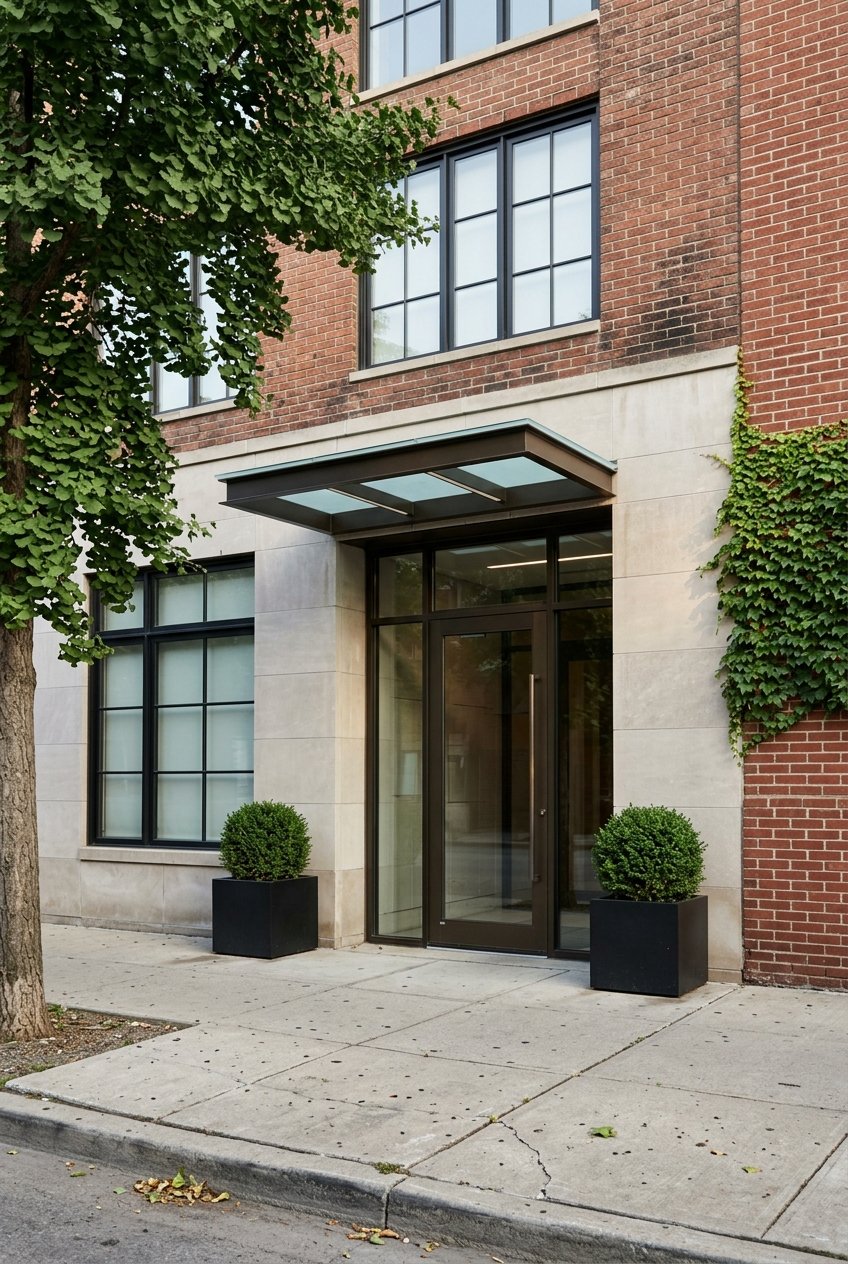
If you are considering a condo in Chelsea, the Gallery District offers a version of Manhattan living that feels hard to replicate anywhere else. You may be drawn to the art, the architecture, the waterfront, or simply the energy of a neighborhood that changes block by block. For buyers, that variety is both the appeal and the challenge. This guide will help you understand how the Gallery District fits into Chelsea condo living and what to look for before you start comparing buildings. Let’s dive in.
Where Chelsea’s Gallery District Sits
Chelsea is generally understood as a west-side Manhattan neighborhood north of 14th Street, but it does not read as one uniform place. NYC Planning distinguishes between an older residential core east of Tenth Avenue and a former manufacturing and waterfront area to the west.
For condo buyers, that split matters. East of Tenth Avenue, Chelsea tends to feel more traditionally residential and lower in scale. West of Tenth Avenue, you are more likely to find redevelopment sites, loft conversions, and High Line-adjacent buildings.
The neighborhood’s landmark structure adds another layer. The Chelsea Historic District protects a mid-19th-century rowhouse core, while the West Chelsea Historic District preserves an industrial landscape of warehouses and early modernist buildings. In practical terms, you can walk a few blocks and experience a very different architectural setting.
What Daily Life Feels Like
The Gallery District is concentrated largely between West 18th and West 27th Streets and between Tenth and Eleventh Avenues. The strongest gallery concentration is often noted around West 24th to West 26th Streets.
Chelsea is home to roughly 350 galleries, and galleries appear on nearly every block in the West Chelsea study area. Many occupy converted garages and loft buildings, which helps explain the large, open spaces that define the district.
For you as a buyer, that land-use pattern shapes daily life. The area includes galleries, restaurants, bars, nightspots, and creative production spaces, so the neighborhood often feels active during gallery hours, around lunch, and into the evening. If you want a calm, one-note residential environment, some blocks may feel busier than expected.
If, on the other hand, you enjoy a neighborhood with movement and variety, this can be a strong fit. The appeal is not just visual. It is about having art, dining, and a distinctly West Side rhythm built into your everyday routine.
How the Condo Stock Differs
One of Chelsea’s biggest strengths is the range of condo product types. In and around West Chelsea, planning documents describe walk-up tenements along Tenth Avenue, converted loft buildings on West 22nd Street, and newer residential buildings on West 23rd Street.
That mix gives buyers several distinct choices. Broadly, the market can be understood through three categories:
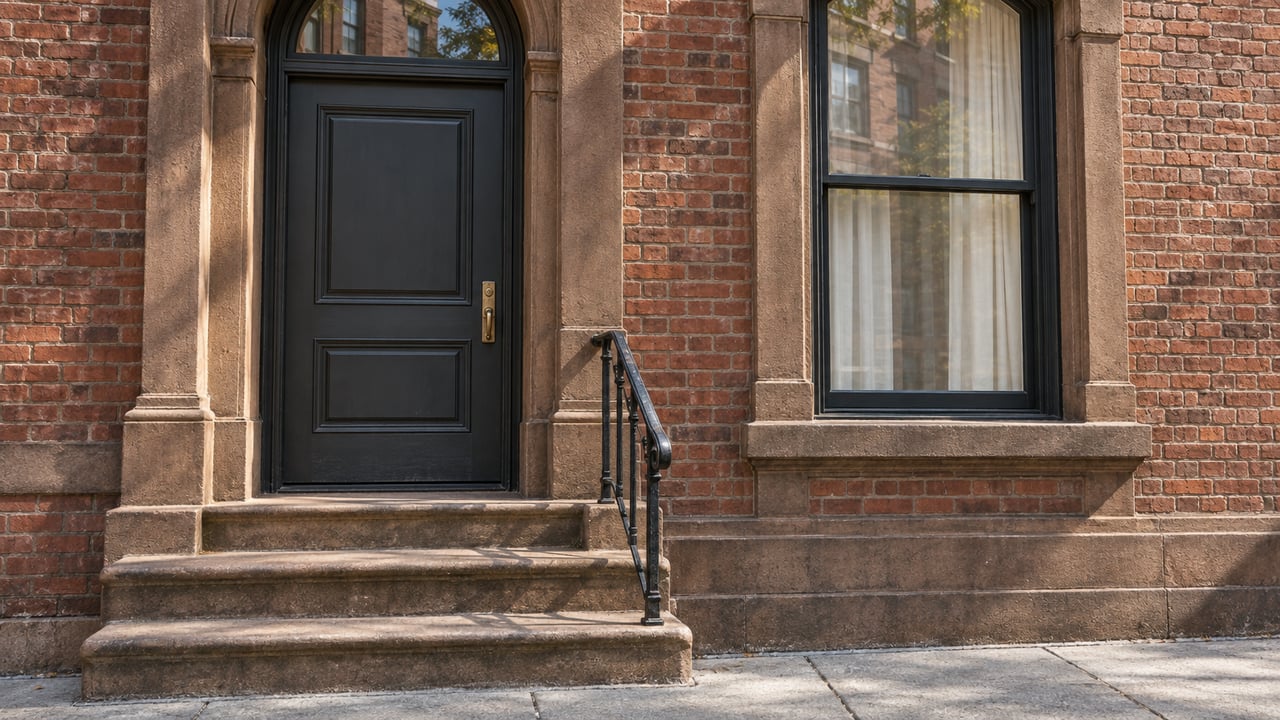
- Historic low-rise and prewar buildings closer to the older Chelsea core
- Loft and warehouse conversions in West Chelsea
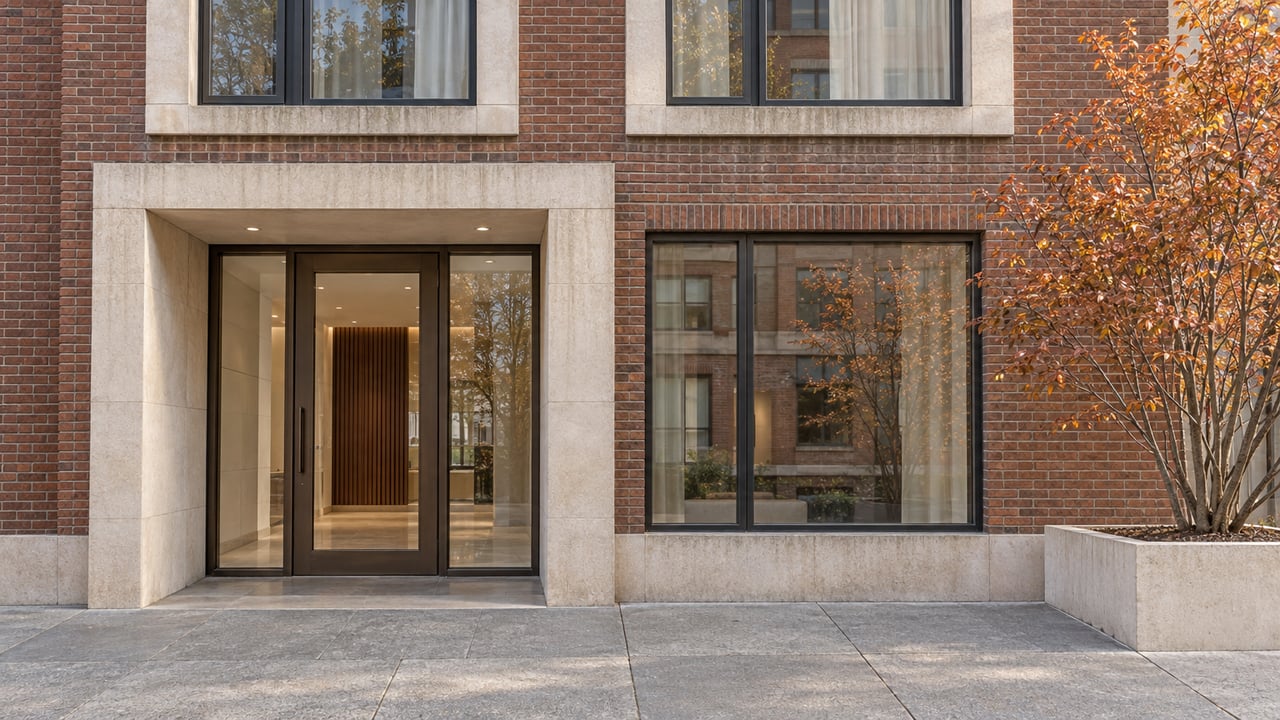
- Newer tower-style condos along the west-side redevelopment edge
This distinction matters because two condos in Chelsea can offer very different living experiences even when they sit only a few blocks apart. The building type often shapes ceiling height, natural light, layout, amenity package, and overall feel as much as the unit itself.
Historic Low-Rise Options
Near the older Chelsea core, you may find lower-scale buildings that reflect the neighborhood’s established rowhouse fabric. These homes can appeal to buyers who value a quieter streetscape and a more classic Manhattan setting.
Because historic districts preserve older facades and block character, some of these areas retain a more intimate scale. That can be attractive if you want Chelsea access without feeling fully immersed in the west-side redevelopment zone.
Loft and Conversion Condos
West Chelsea is especially notable for loft and warehouse conversions. These buildings often carry the scale and proportion of former industrial uses, which can translate into generous volume, open layouts, and strong natural light.
For many buyers, this is where the Gallery District identity comes through most clearly. The architecture, the streetscape, and the building stock often feel tied to the neighborhood’s creative history.
Newer Tower-Style Condos
Along the west-side redevelopment edge and near the High Line, newer condo buildings are a major part of the housing mix. These properties often present a more contemporary look and a different living experience from older conversions.
In general, newer towers are the buildings most likely to offer the fuller amenity packages many condo buyers expect. By contrast, loft conversions often emphasize character, light, and scale over large amenity floors. Knowing which experience you prefer can save you time early in your search.
Why Block-by-Block Context Matters
Chelsea is not a neighborhood where one broad label tells you everything. The protected historic districts, the older residential core, and the west-side redevelopment patterns all create real variation from one stretch to the next.
For condo buyers, this means you should pay close attention to micro-location. A building near the gallery core may feel more mixed-use and active, while another just a few blocks away may feel more residential in tone.
That difference can affect your experience of street traffic, nearby uses, and general rhythm. In Chelsea, the block is often as important as the building.
Parks, Waterfront, and Getting Around
The Chelsea lifestyle is not only about art and architecture. Hudson River Park is a major part of the neighborhood’s appeal, offering a 550-acre riverfront park and estuarine sanctuary that runs four miles along Manhattan’s west side.
Chelsea Waterside Park is one of the neighborhood anchors within that larger system. It includes a playground, basketball court, athletic field, dog park, restroom, and picnic area.
For everyday convenience, Chelsea performs exceptionally well. Walk Score rates the neighborhood at 99 for walkability, 100 for transit, and 95 for biking.
That matters because lifestyle in Chelsea is deeply tied to movement. You can often move easily between home, gallery visits, local dining, the waterfront, and the rest of Manhattan without needing a car.
Who the Gallery District Fits Best
The Gallery District tends to work especially well for buyers who value design, culture, and an energetic street presence. If you want a neighborhood where art and waterfront recreation can be part of your normal week, Chelsea stands out.
It can also suit buyers who appreciate architectural variety. Some people are drawn to lower-scale historic settings, while others want a loft conversion or a newer condo with a more service-oriented building profile.
The tradeoff is that the busiest parts of the area can feel more visitor-heavy and mixed-use than quieter residential pockets elsewhere in Manhattan. That does not make one setting better than another, but it does make fit especially important.
How to Narrow Your Condo Search
When buyers begin in Chelsea, it helps to define your priorities before looking at individual listings. In this neighborhood, the building category and block often shape your experience as much as the square footage.
Start by asking yourself a few practical questions:
- Do you prefer historic character or newer construction?
- Is a loft-like layout important to you?
- Do you want a more active gallery-area setting or a more traditional residential feel?
- How important is proximity to Hudson River Park?
- Are amenities a top priority, or do you care more about volume, light, and architectural character?
Once you answer those questions, the search usually becomes much clearer. Rather than treating Chelsea as one broad market, you can focus on the part of the neighborhood that matches how you want to live.
A Smart Buyer’s Takeaway
Chelsea’s Gallery District offers more than a recognizable name. It gives you access to a layered part of Manhattan where cultural life, industrial history, new development, and waterfront access intersect.
For condo buyers, the key is to understand the neighborhood in sections. The older Chelsea core, the West Chelsea loft zone, and the newer west-side condo edge each offer a different version of Chelsea living.
If you approach the search with that framework, you can compare homes more intelligently and avoid chasing listings that do not match your goals. In a neighborhood this nuanced, clarity is an advantage.
If you are considering a Chelsea condo and want tailored guidance on building type, block fit, and market strategy, The Duck Kirsch Team can help you navigate the search with a more informed and discreet approach.
FAQs
What is the Chelsea Gallery District in Manhattan?
- The Chelsea Gallery District generally refers to the concentration of galleries largely between West 18th and West 27th Streets and between Tenth and Eleventh Avenues, with especially strong density around West 24th to West 26th Streets.
What types of condos can you find in Chelsea’s Gallery District?
- Buyers typically encounter three broad product types: historic low-rise and prewar buildings, loft and warehouse conversions in West Chelsea, and newer tower-style condos along the west-side redevelopment edge.
Is West Chelsea different from older Chelsea for condo buyers?
- Yes. NYC Planning distinguishes an older residential core east of Tenth Avenue from a more former manufacturing and waterfront area to the west, which often translates into different building types and streetscapes.
What is daily life like near Chelsea galleries?
- The area tends to feel active because galleries sit alongside restaurants, bars, nightspots, and creative production spaces, especially around gallery hours, lunch, and evenings.
How walkable is Chelsea for condo owners?
- Chelsea is highly walkable, with Walk Score ratings of 99 for walkability, 100 for transit, and 95 for biking.
What outdoor space is near Chelsea’s Gallery District?
- Hudson River Park is a major nearby amenity, and Chelsea Waterside Park offers features such as a playground, basketball court, athletic field, dog park, restroom, and picnic area.