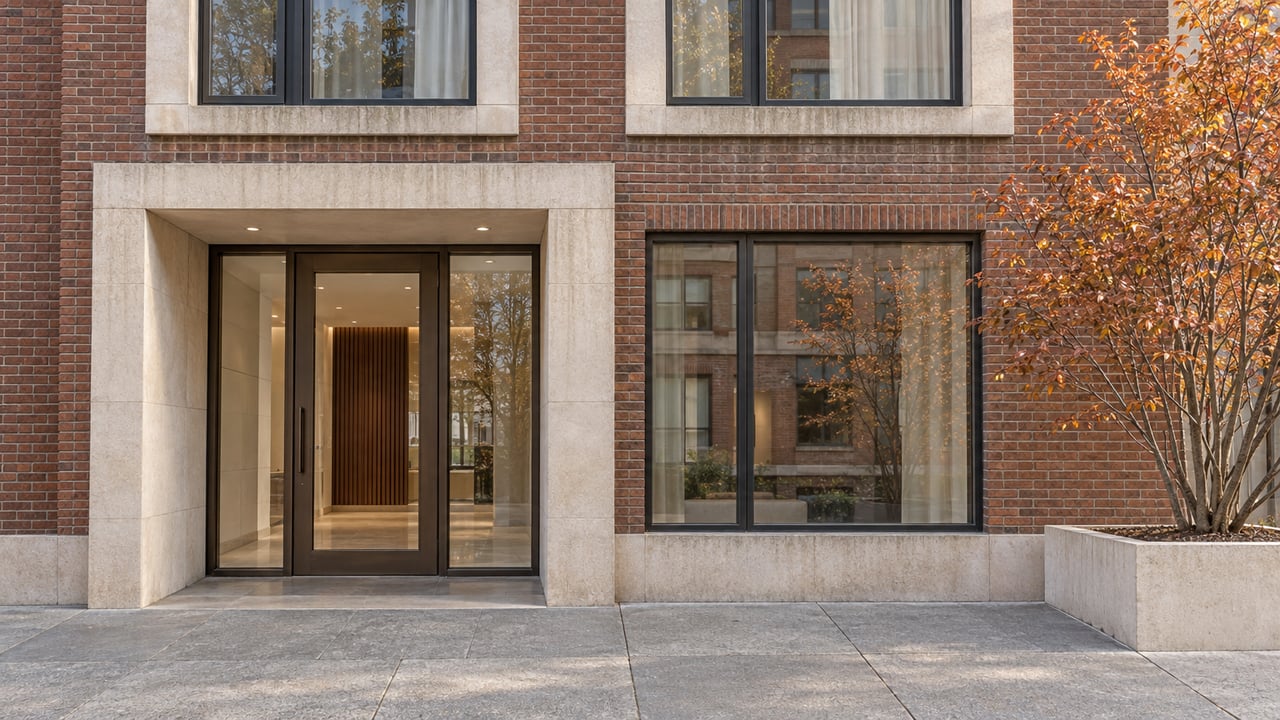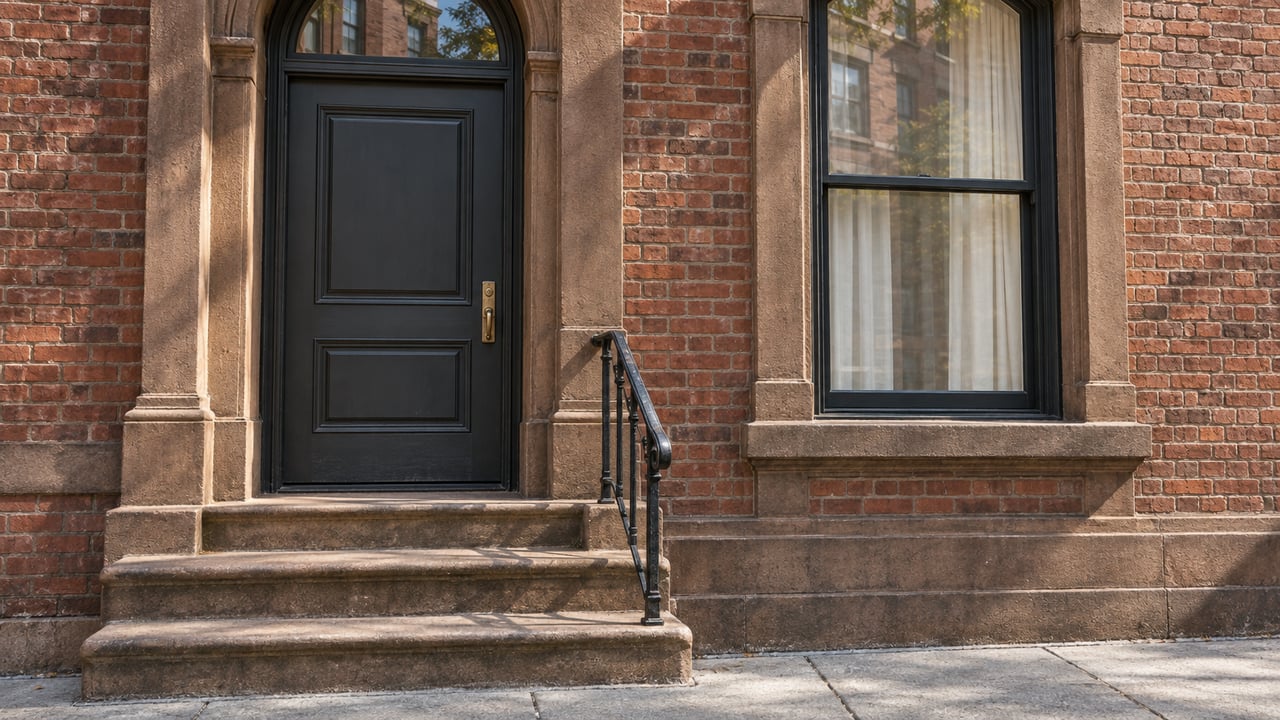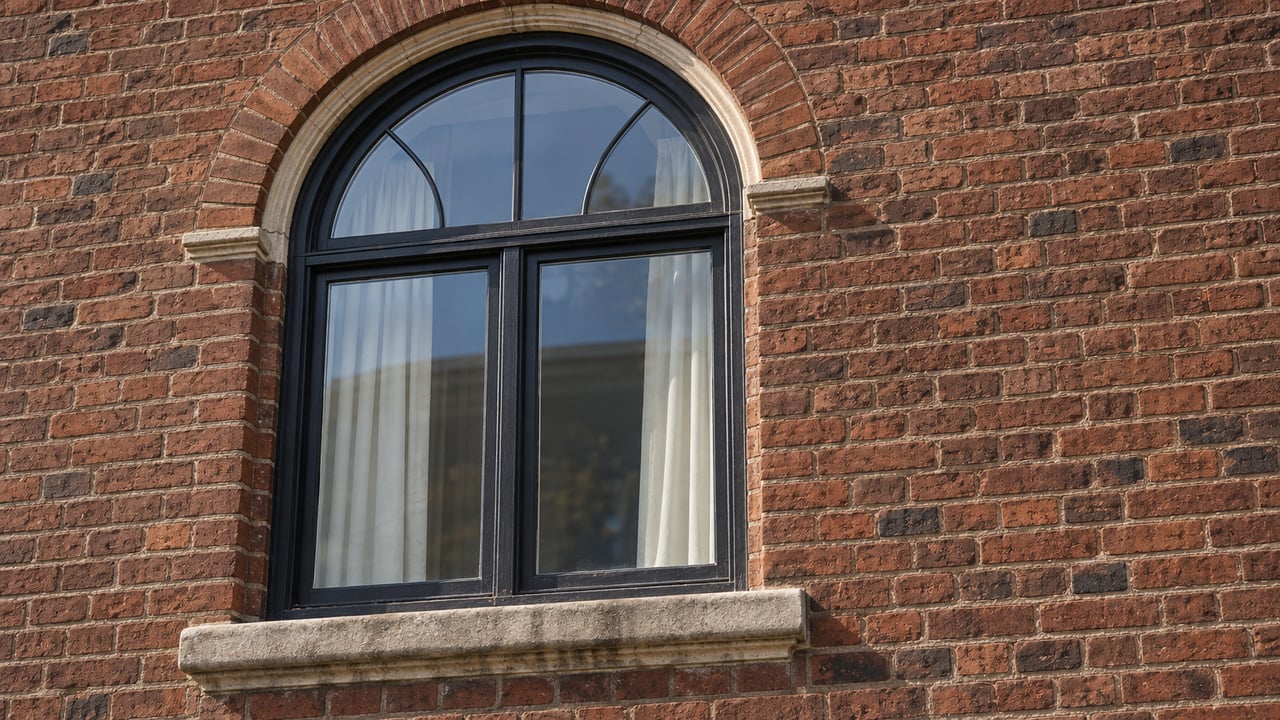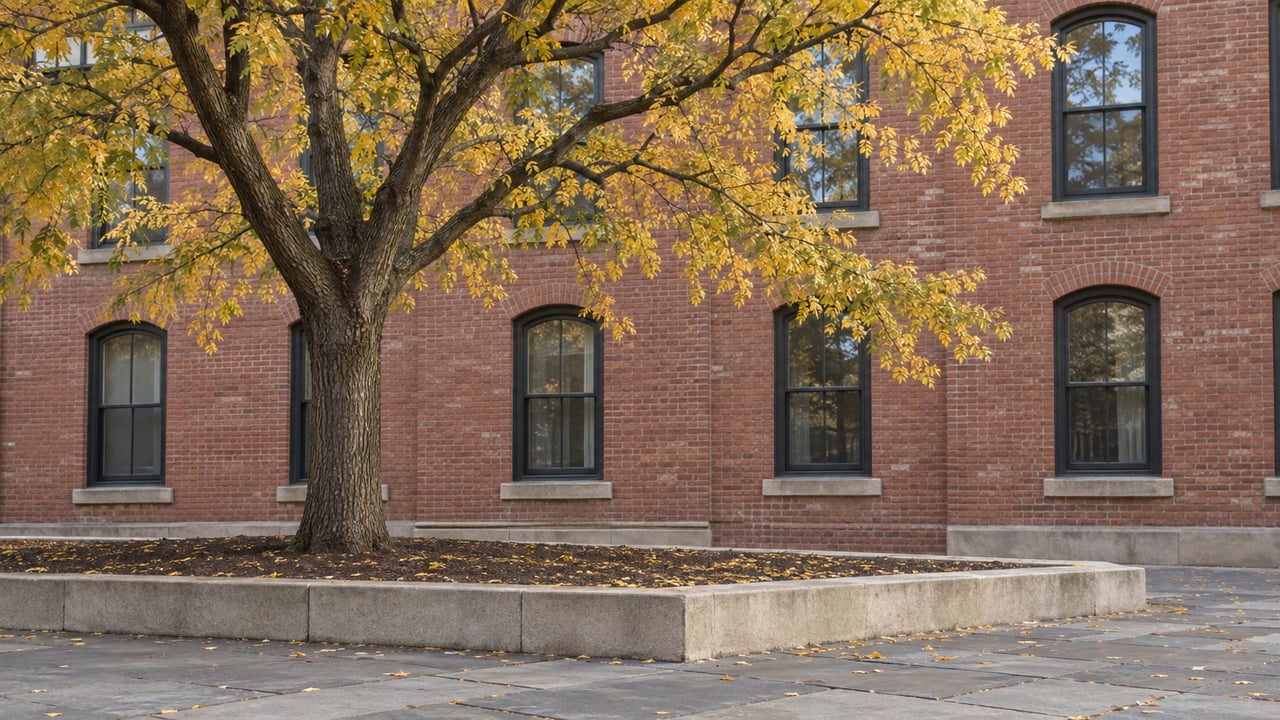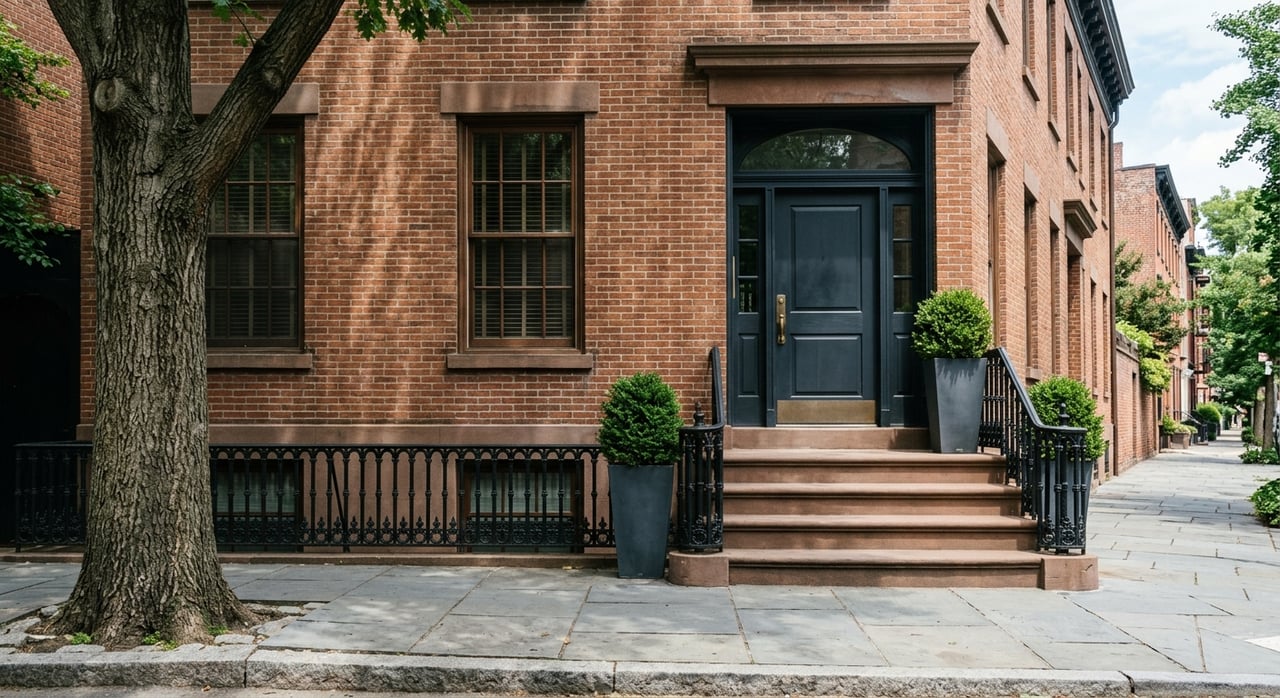
Wondering whether life on a classic Upper West Side brownstone block or in a full-service high-rise will suit you better? It is a common question, especially in a neighborhood where prewar charm and taller tower living exist side by side. If you are weighing character, convenience, upkeep, and day-to-day rhythm, this guide will help you compare the two with a clear Upper West Side lens. Let’s dive in.
Upper West Side Housing Has Real Variety
The Upper West Side is not one uniform housing market. Manhattan Community District 7 runs from 59th to 110th Streets between Central Park West and the Hudson River, and it combines cultural institutions, parks, restaurants, retail, and a wide range of building types.
That variety matters when you start comparing brownstone-style living with high-rise living. According to the NYU Furman Center’s 2024 profile, the neighborhood had 230,436 residents, a median household income of $152,250, a 35.6% homeownership rate, and 6,297 added housing units from 2010 to 2025. In other words, the Upper West Side continues to blend older housing stock with ongoing development.
You also see this difference on the streetscape. Several Upper West Side historic districts are mapped by the Landmarks Preservation Commission, including Upper West Side/Central Park West, Riverside-West End, Riverside Drive-West 80th-81st Street, and West End-Collegiate. Taller residential districts are also concentrated in certain corridors, including parts of Riverside Boulevard, rather than spread evenly across the neighborhood.
Brownstone Living on the Upper West Side
Brownstone and townhouse-style homes often feel more like small houses than apartment buildings. Even when you are buying an apartment within a smaller low-rise property, the experience can feel more intimate and less institutional than life in a large tower.
On a practical level, this often means you have a closer relationship to the building itself. New York State guidance for low-rise homes and townhouse-type developments highlights issues such as facade condition, roofs, windows, plumbing, electrical systems, sidewalks, drainage, and retaining walls. That is a strong sign that owners in these properties often deal more directly with the building envelope and exterior upkeep.
For many buyers, that hands-on quality is exactly the appeal. You may value a quieter block, fewer units, a more residential rhythm, and architecture that feels rooted in the neighborhood’s historic fabric.
What daily life can feel like
Brownstone living often comes with a strong sense of place. You may enter directly from the street, use stairs more often, and experience the block in a more immediate way than you would in a lobby-driven high-rise.
That can be rewarding if you want character and independence. It can also require more planning if you prefer services, elevator access, or building staff handling routine issues.
What to watch closely
Older low-rise properties can bring real maintenance questions. The New York Attorney General advises buyers to examine physical condition carefully, including the facade, roof, windows, flooring, appliances, electrical wiring, plumbing, and other core systems.
That advice is especially relevant on the Upper West Side, where many older homes sit within landmarked areas. If a property is in a historic district, most exterior alterations require review by the Landmarks Preservation Commission, while ordinary exterior repairs and most interior work usually do not.
High-Rise Living on the Upper West Side
High-rise living usually offers a more centralized and formally managed experience. In many cases, the building’s board, managing agent, staff, and operating budget handle responsibilities that would feel much more direct in a brownstone setting.
That structure can be appealing if you want convenience and predictability. It may also suit buyers who value elevator access, more managed operations, and a building setup that covers more of the day-to-day work behind the scenes.
How ownership structure shapes the experience
On the Upper West Side, many high-rises are co-ops or condos. For co-ops, New York State guidance notes that buyers purchase shares in a corporation and pay maintenance based on share allocation.
For condos, offering-plan rules require disclosure of common elements, common charges, reserve or working-capital funds, and management agreements. In plain terms, that means a high-rise purchase is not only about the apartment itself. It is also about how the building is run, funded, and maintained.
What daily life can feel like
A full-service building often creates a more service-mediated rhythm. Instead of handling many building concerns personally, you are relying more on a formal management structure and shared systems.
That can simplify life if you prefer less hands-on involvement. It also means your experience is shaped in part by the strength of the building’s governance, budget, and management practices.
Maintenance Is Different, Not Necessarily Easier
One of the biggest misconceptions in this comparison is that one option is always easier than the other. In reality, both brownstones and high-rises can face the same broad categories of issues, including leaks, broken windows, plumbing defects, electrical problems, and heat or hot water concerns.
The real difference is often who handles the problem and how the process works. NYC 311 advises that maintenance complaints in co-ops or condos should first go to the owner, managing agent, superintendent, management company, or board before escalating further.
The Attorney General also notes that expensive recurring issues in older buildings often include facade repair, roof work, elevator repair, plumbing replacement, electrical upgrades, boiler replacement, and major cosmetic work. In a brownstone-style setting, some of these responsibilities can feel more immediate and visible. In a high-rise, they are often folded into the building’s larger operating structure.
Historic District Rules Matter More for Brownstones
If you are drawn to classic Upper West Side architecture, historic district status deserves close attention. Landmark designation does not freeze a building or neighborhood, but it does mean the Landmarks Preservation Commission reviews proposed work in advance and determines whether it is appropriate.
For buyers considering brownstones or townhouse-style apartments, this can affect exterior flexibility. If you are imagining facade updates, window changes, or other exterior work, you will want to understand what approvals may be required before you buy.
This does not mean landmarked properties are harder to own in every respect. It simply means character often comes with process, and that process should be part of your decision-making from the start.
Four Questions to Ask Before You Choose
On the Upper West Side, the brownstone versus high-rise choice often comes down to lifestyle more than price alone. These questions can help you focus on what matters most.
How many stairs do you want to use?
In a brownstone or smaller low-rise, stairs may be part of daily life. In a high-rise, elevator access is often central to the experience.
This sounds simple, but it can shape your routine more than buyers expect. Groceries, strollers, guests, deliveries, and long workdays all make this a practical issue, not just a design preference.
How hands-on do you want to be?
Some buyers enjoy the feeling of being closer to the building and its upkeep. Others prefer a management structure that takes more of that responsibility off their plate.
Neither approach is better. The right choice depends on how involved you want to be with maintenance, building decisions, and long-term planning.
Is the property in a historic district?
This is especially important for brownstones and townhouse-style homes. Historic district rules can affect exterior changes, project timing, and the approval path for visible work.
If preserving original character is part of the appeal for you, this may feel like a benefit. If flexibility is your priority, it may be a factor to weigh more carefully.
What do the monthly costs actually cover?
Monthly carrying costs can mean very different things depending on the property type and ownership structure. In a more managed building, costs may support common elements, staffing, and other shared operations.
In a brownstone-style setup, the financial picture may feel more direct or less bundled. The key is to understand not just the number, but what sits behind it.
Which Upper West Side Option Fits You Best?
If you are drawn to architectural character, a block-level feel, and a more intimate residential experience, brownstone living may be the better fit. If you prioritize centralized management, elevator access, and a more service-oriented routine, a high-rise may make more sense.
On the Upper West Side, both options can be compelling. The smartest move is to evaluate the building’s condition, governance, historic district status, and daily functionality with the same care you give the apartment itself.
A well-chosen home should support the way you actually live, not just the way a listing looks on paper. If you want tailored guidance on comparing Upper West Side co-ops, condos, brownstone apartments, or full-service towers, The Duck Kirsch Team can help you weigh the tradeoffs with clarity and discretion.
FAQs
What is the main difference between Upper West Side brownstone and high-rise living?
- Brownstone living usually feels more intimate and hands-on, while high-rise living is typically more centralized, formally managed, and service-oriented.
Do Upper West Side brownstones require more maintenance attention?
- They often involve a closer relationship to building elements such as facades, roofs, windows, plumbing, and exterior upkeep, especially in older low-rise properties.
How do historic districts affect Upper West Side brownstone owners?
- If a property is in a historic district, most exterior alterations require Landmarks Preservation Commission review, which can affect project flexibility and timing.
Are Upper West Side high-rises usually co-ops or condos?
- Many are structured as co-ops or condos, and that ownership model affects how monthly charges work, what disclosures buyers receive, and how the building is governed.
What should buyers review before choosing an Upper West Side building?
- Buyers should closely examine the building’s physical condition, ownership structure, governance, carrying costs, and whether landmark or historic district rules may affect future exterior work.