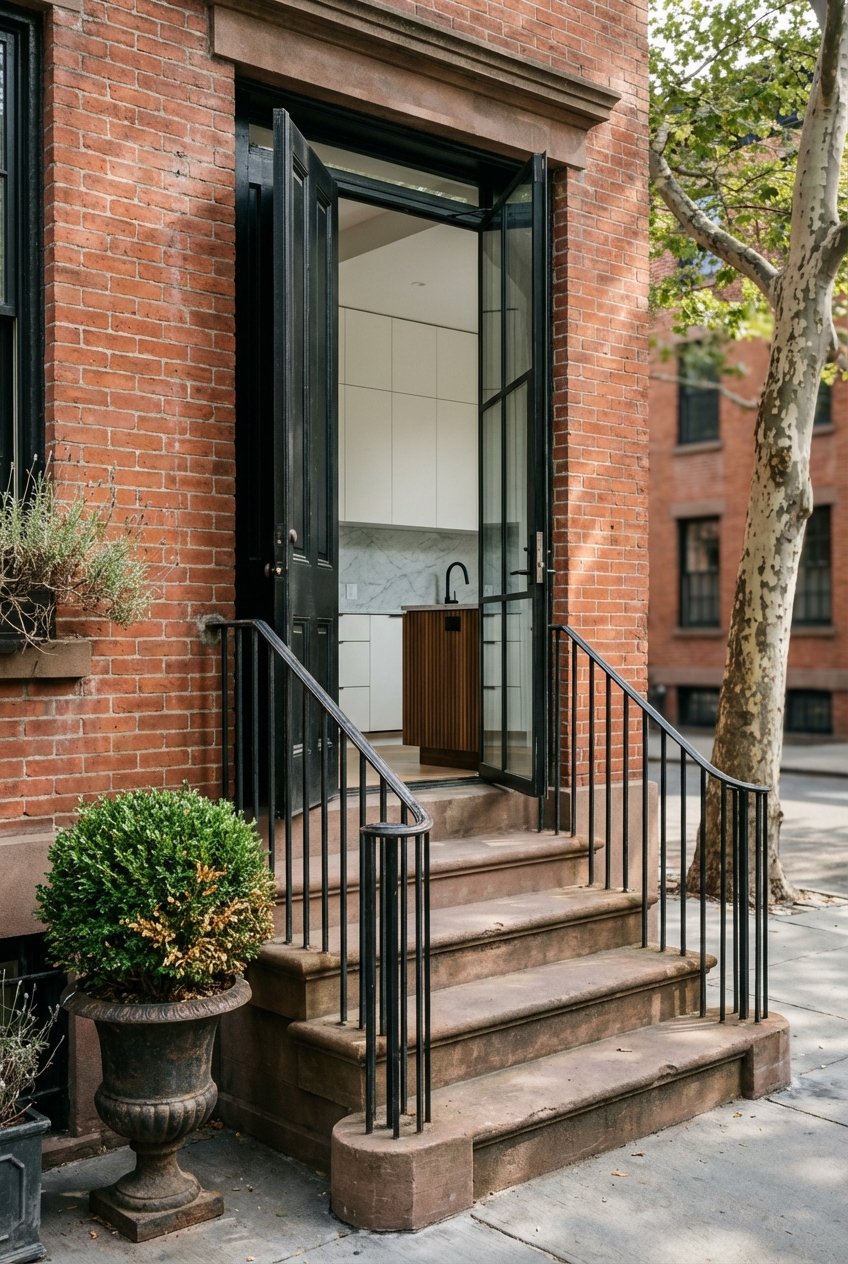
Love the look of a classic brownstone stoop but want a sleek, minimalist kitchen too? In Greenwich Village, you don’t have to choose. The neighborhood’s homes blend rich architectural character with clean, modern design in a way that feels both timeless and current. In this guide, you’ll learn what defines Village architecture, how to navigate approvals if you plan to renovate, and smart design moves that honor history while elevating daily living. Let’s dive in.
Why Greenwich Village stands out
Much of the neighborhood sits within the Greenwich Village Historic District, designated in 1969. It spans roughly 100 blocks and more than 2,200 buildings, which means many visible exterior changes require review. You’ll see the results on nearly every stroll: stoops, cornices, and hand‑tooled details that set an elegant tone. The district footprint is irregular, so block‑by‑block rules vary — always confirm whether a building is inside the mapped area. For a deeper look at the district’s scope and history, review the overview from Village Preservation.
Building types you’ll find
Brownstones and rowhouses
Townhouses define many side streets with stoops, parlor floors, and finely scaled facades. Inside, you often find original millwork, fireplaces, and tall windows that reward careful restoration.
Prewar walk‑ups and co‑ops
These buildings typically offer plaster moldings, decorative or working fireplaces, and rooms that run a bit taller and narrower than modern boxes. Cooperative ownership is common in Manhattan, so factor board approvals into any renovation timeline.
Lofts and conversions
Former commercial buildings and early manufacturing structures bring cast‑iron columns, exposed brick, and 12‑foot‑plus ceilings. Open floor plates invite flexible, gallery‑like living — a look often featured in design publications highlighting Village lofts.
Modern condos and boutique infill
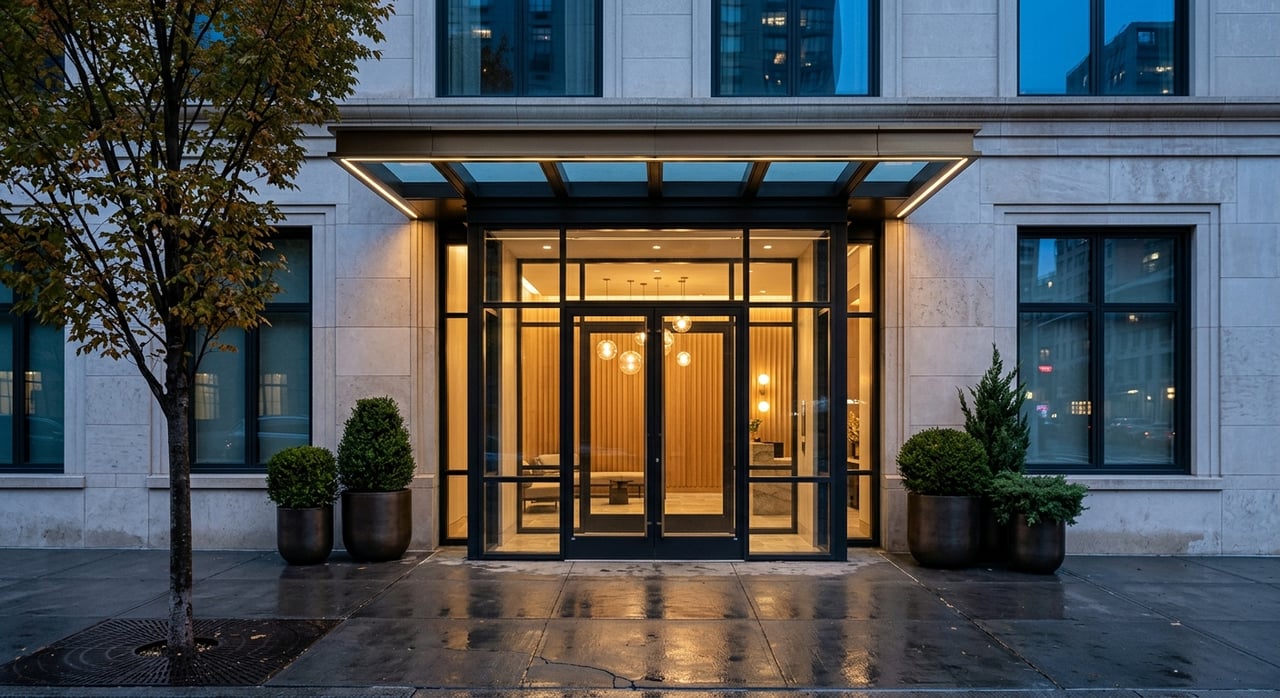
Select blocks feature newer condo developments or sensitive conversions with full‑service amenities. In a market where co‑ops still make up a large share of owned housing, condos can offer different ownership and renovation paths. For a clear overview of the co‑op and condo landscape, see this CityRealty primer on ownership types.
Interior character and classic plans
Period details that matter
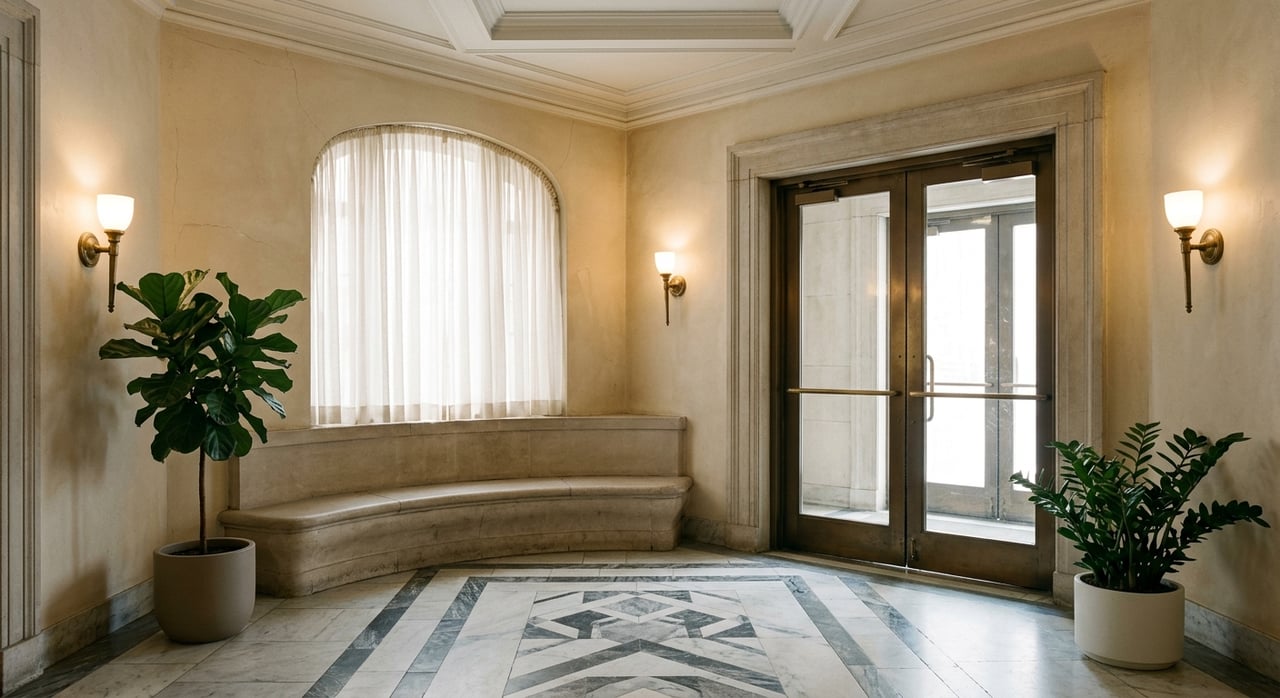
You’ll frequently encounter plaster cornices, paneled or pocket doors, built‑ins, marble or wood mantels, and herringbone or wide‑plank floors. Preserving and restoring these elements is one of the highest‑impact ways to keep that unmistakable Village feel.
Space and light
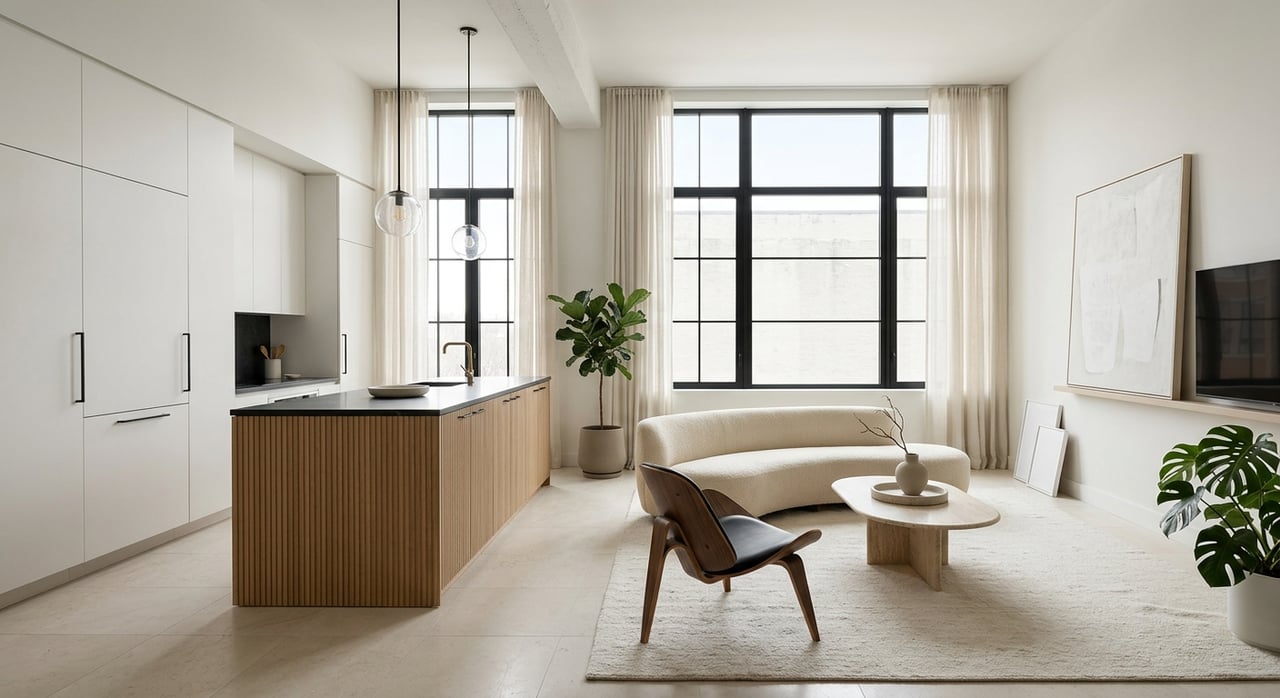
Prewar rooms often feel intimate and vertical, which suits layered lighting and thoughtful furniture scaling. Lofts, on the other hand, deliver wide spans, big windows, and dramatic height that play well with minimalist kitchens and sculptural lighting.
Floor plan types
Common layouts include parlor‑floor apartments with gracious front reception rooms, garden units with rear yard access, railroad plans with rooms in sequence, and full‑floor lofts. Historic tenement‑era plans can shape window and ventilation decisions, which affects what you can relocate or remove during renovations.
Renovating with respect: what to know
Village renovations work best when you pair a preservation mindset with a clear approvals plan. Exterior changes that are visible from the street typically require Landmarks Preservation Commission review. Most structural, plumbing, electrical, gas, and major mechanical work needs NYC Department of Buildings permits. If you’re in a co‑op or a condo, expect an Alteration Agreement and board or management review, especially if work affects building systems. Prewar buildings may also involve lead‑paint rules, asbestos assessments, and careful coordination around radiators, risers, or gas lines.
Smart design moves that blend old and new
Prioritize repair and restoration
Keep original plaster, moldings, and mantels wherever possible. When it comes to windows, consider a repair‑first approach with weatherstripping, reglazing, and interior storm panels. It’s a preservation‑friendly way to boost comfort without losing historic character, as outlined by the National Park Service guidance on window and door weatherization.
Open plan where it counts
Opening the kitchen to the living room can bring in light and improve flow, while keeping one formal room intact to showcase original trim and a fireplace. If a wall may be structural, plan for an engineered solution and proper permits. The goal is to balance easy entertaining with architectural integrity.
Discreet, efficient HVAC
Ductless mini‑split heat‑pump systems are popular for adding cooling and efficient heating with minimal ductwork. You’ll need a strategy for placing condensers on non‑primary facades, the roof, or in concealed chases, and for routing lines discreetly. Boards and preservation staff often prefer reversible, minimally visible installations. For a board perspective on mini‑splits, read Habitat Magazine’s overview.
Kitchen and bath finishes that feel “Village”
You’ll see a refined mix: repaired or white‑washed floors, painted millwork, matte cabinetry with integrated appliances, honed stone, classic tile, and warm metal accents. Keep palettes neutral and textures quiet to let architectural details do the talking.
Laundry and ventilation choices
Adding in‑unit laundry is common. Many owners use electric ventless dryers to avoid complex penetrations and routing that trigger more intensive filings. If you plan a gas range with a vented hood, coordinate early on pathing and approvals.
Small‑space strategies that live large
- Build storage into circulation walls to keep rooms open and calm.
- Use transforming beds or flexible partitions to create zones without sacrificing light.
- Choose narrow islands or peninsulas that double as dining and workspace.
- Keep finishes light and layer mirrors to amplify daylight.
- Integrate lighting with millwork to avoid ceiling clutter.
Buyer and renovator checklist
- Confirm if the building and facade are inside the Greenwich Village Historic District, and review typical permit triggers with Village Preservation’s district overview.
- Read the building’s Alteration Agreement and approval process. Co‑ops tend to be more detailed. A sample framework is outlined in this Alteration Agreement reference.
- Identify whether your scope needs NYC Department of Buildings permits for structural, plumbing, electrical, gas, or new HVAC penetrations. Start with the DOB’s Do I Need a Permit?.
- For exterior or visible facade work in the historic district, review the Landmarks Preservation Commission’s Permits and Alterations guidance.
- For pre‑1960 buildings, confirm X‑ray fluorescence testing status and paperwork under HPD’s lead paint rules. See HPD’s Lead‑Based Paint guidance.
- Require an asbestos assessment before work that could disturb suspect materials, and plan for licensed abatement and notifications as needed. Review DOB’s asbestos project requirements.
- Discuss HVAC early, including condenser placement, line routing, and reversible methods that avoid visible street facades. Expect building and, when relevant, LPC coordination.
Visual inspiration to look for
- Restored parlor floors with original moldings and a modern kitchen anchored by an island.
- Loft duplexes that pair exposed brick and cast‑iron structure with a clean, integrated appliance wall.
- Brownstone cornices, stoops, and ironwork that show skilled repair and subtle color.
- Discreet mini‑split installs that blend into millwork or locate on secondary facades.
- Interior storm panels that preserve historic sash profiles while improving comfort.
Partner with a trusted Village advisor
If you love the idea of classic architecture with modern ease, Greenwich Village is a natural fit. The key is understanding how landmark rules, DOB permits, and building boards shape what you can do — and planning a design that respects the past while serving your life today. For tailored guidance on sourcing, valuation, and renovation strategy in the Village, schedule a private consultation with Reynolds Duck.
FAQs
Do Greenwich Village exteriors need landmark permits?
- Many visible exterior changes within the Greenwich Village Historic District require Landmarks Preservation Commission review. Interior cosmetic work usually does not, but confirm scope and visibility first.
Can you open a prewar kitchen into the living room?
- Yes, many owners do. If a wall is structural or affects building services, you’ll need engineered plans, DOB permits, and often board approval. Plan for lead time and inspections.
What surprises add cost in a Village gut renovation?
- Common extras include lead and asbestos remediation, hidden joist or plumbing‑stack repairs, electrical‑service upgrades, and time for board or LPC reviews. Build in contingencies.