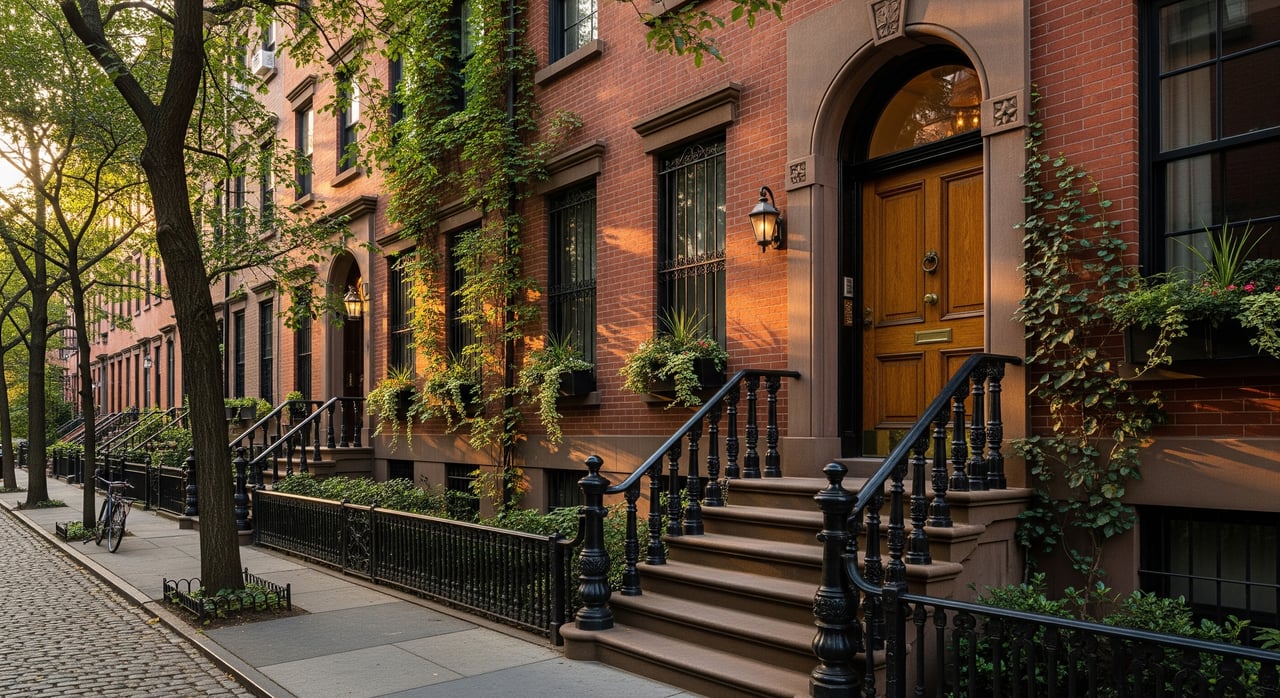
Ever wonder why the West Village inspires lifelong loyalty from people who have lived all over the world? You feel it the moment you turn onto a narrow, tree-lined block and hear the quiet hum of a café instead of traffic. If you are weighing a move, you want more than pretty streets. You want to know what daily life is like, how the housing stock works, and what trade-offs come with the charm. This guide gives you a clear, practical look at living in the West Village so you can decide if it fits your lifestyle and goals. Let’s dive in.
West Village at a glance
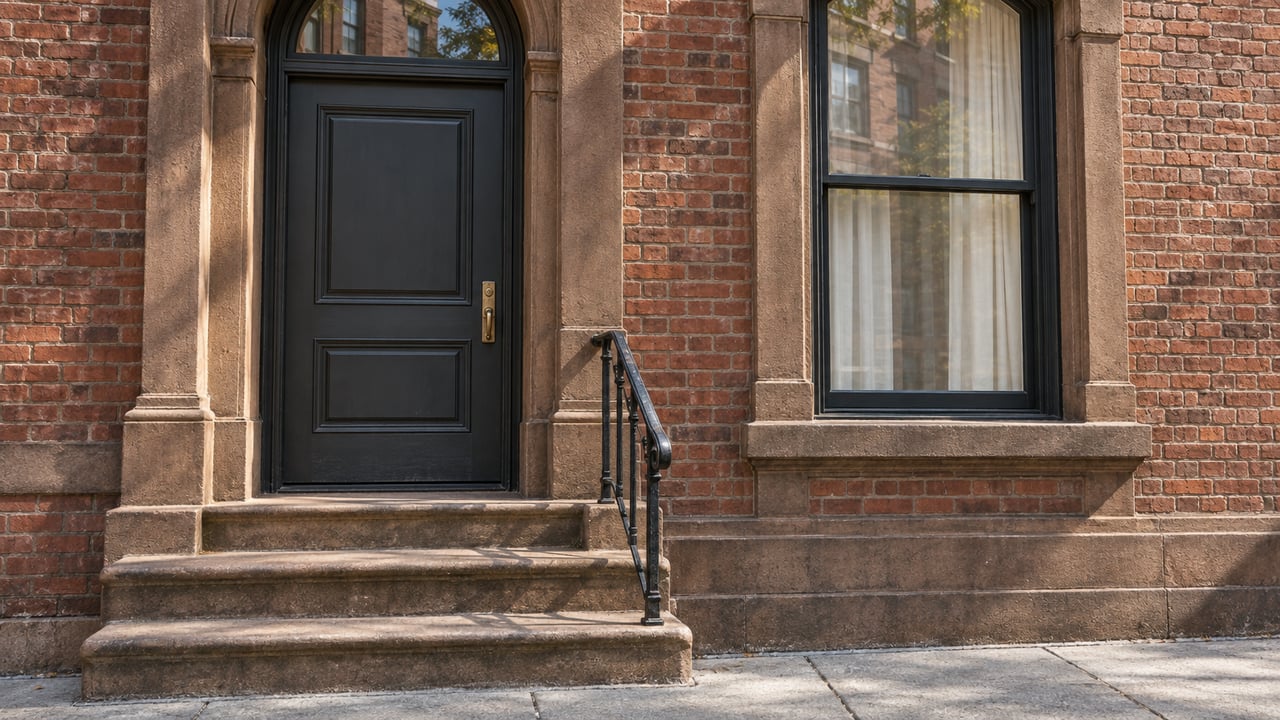
The West Village sits on Manhattan’s west side with a compact footprint and a village-scale feel. Streets bend and intersect at unexpected angles, creating intimate corners and pocket plazas. Low-rise townhouses, brownstones, and prewar walk-ups anchor most blocks, with small retail corridors along Bleecker, Hudson, and Christopher.
Much of the neighborhood falls within historic districts and includes individual landmarks. That preservation framework protects the character you see on the street and shapes what owners can change on exteriors and storefronts. The result is a cohesive, human-scale environment that remains distinct from Manhattan’s broader grid.
Homes and housing types
The West Village offers a mix of historic and boutique residences. Inventory is limited, especially for larger layouts, and pricing sits above the Manhattan median. Understanding how each housing type works will help you target the right fit.
Co-ops
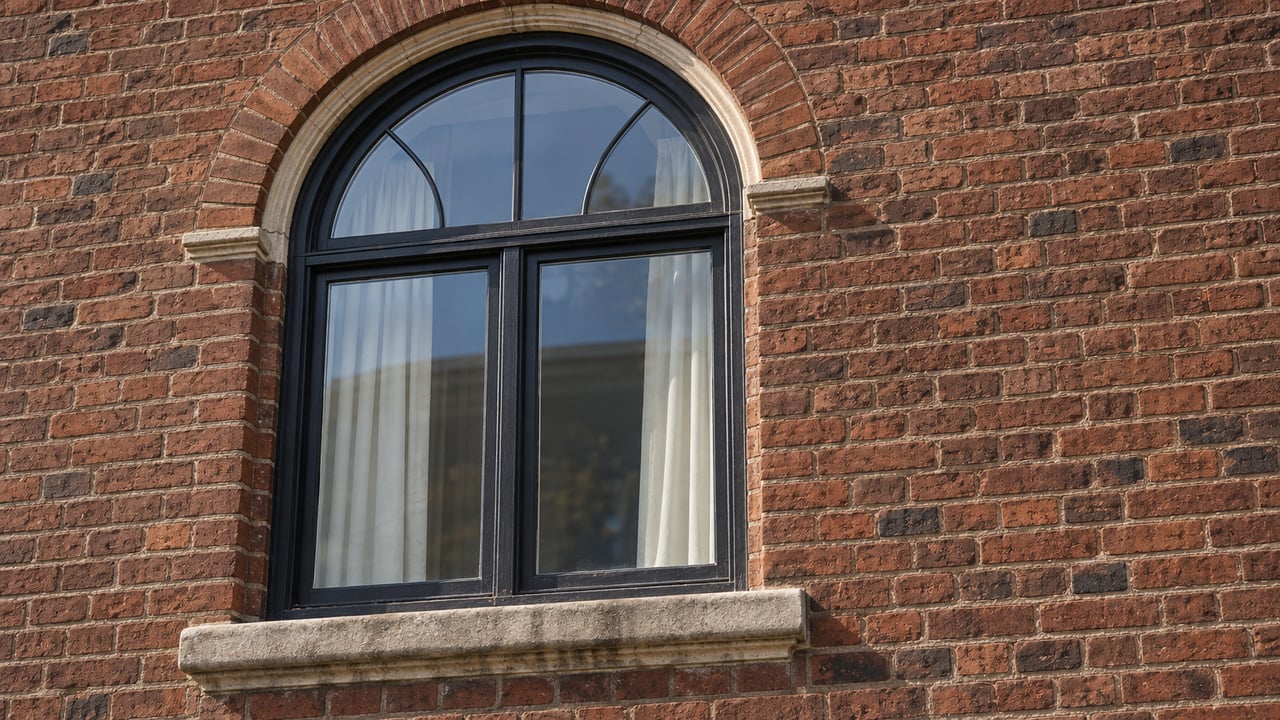
Co-ops are common in older prewar buildings. You will complete a thorough board package, provide detailed financials, and attend a board interview. Subletting and renovations can be restricted, and approvals can add time to your purchase. Many buyers choose co-ops for the architectural character and quieter, owner-occupied feel.
Condos
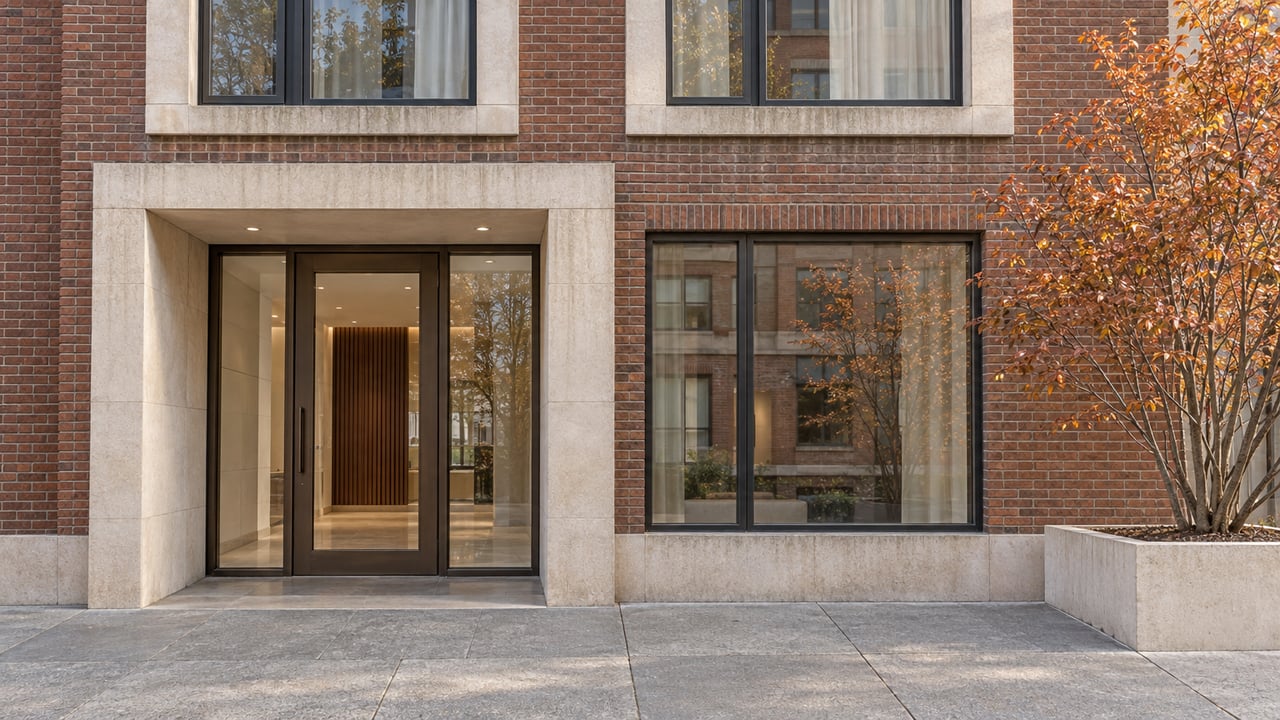
Condos are fewer but present in newer or converted buildings. Purchases are generally more straightforward and flexible for financing, rentals, and second-home use, but cost per square foot is typically higher than co-ops. Full-service amenities exist in select properties, though many buildings remain boutique in scale.
Townhouses and brownstones
Townhouses are rare, high-value assets. Many are landmarked, which can add complexity to exterior work. Owners prize these homes for privacy, original details, and the ability to customize interiors, but purchase and maintenance costs are significant.
Rentals and boutique conversions
Expect a mix of market-rate rentals and a limited number of rent-stabilized units. Loft-like boutique conversions appear in select pockets with high ceilings and exposed details. Unit sizes trend smaller, and demand stays high, so larger rentals can be hard to secure.
Daily life on your block
Dining and retail
You have an unusually dense selection of cafés, bakeries, chef-driven restaurants, and neighborhood institutions. Boutique fashion, specialty food shops, bookstores, and home design stores are common, especially along Bleecker and Hudson. Evenings and weekends can bring crowds near major sites, which adds energy on commercial blocks and quiet on purely residential streets.
Parks and waterfront
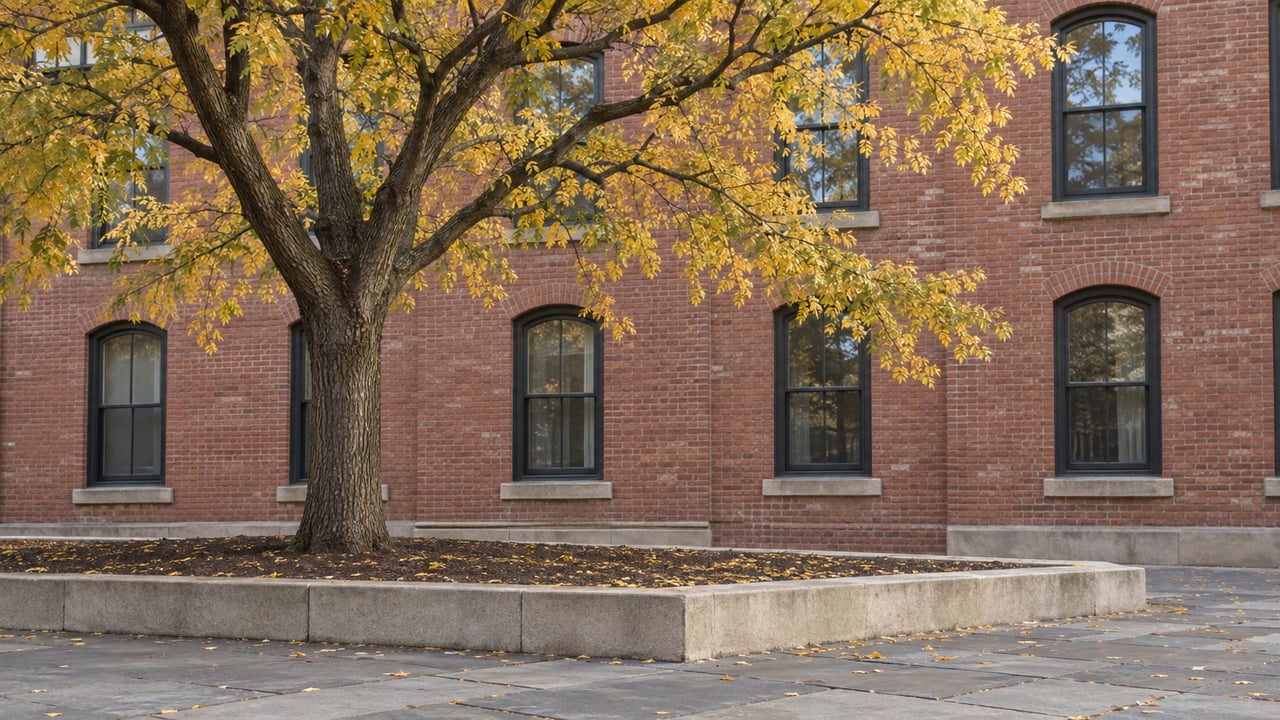
Hudson River Park lines the west edge with lawns, river views, bike paths, and the Greenway. Small parks and plazas, including Abingdon Square Park and Christopher Park, offer shaded benches, dog runs, and neighborhood gathering spots. Many residents build daily routines around a run or ride along the river.
Arts and culture
Small theaters, galleries, and off-Broadway spaces contribute to a creative pulse. The Stonewall Inn area and Christopher Park hold national historic significance and draw visitors, reinforcing the neighborhood’s long cultural identity.
Services and errands
You can handle daily needs at specialty grocers, delis, and nearby larger-format options. Health care, private practices, and hospitals are accessible in Manhattan. Families do live here, though the supply of large apartments is limited; for schools, check current NYC Department of Education zoning and admissions information before you commit to a specific address.
Getting around
You can walk to multiple subway lines and frequent bus routes within minutes from most blocks. The neighborhood’s compact size and strong bike infrastructure make car-free living practical for many residents. Parking is limited and garages are costly, which is why most households rely on transit, cycling, and walking.
What it costs
The West Village is consistently one of Manhattan’s priciest markets. Prices per square foot and sales figures are generally above the Manhattan median, with tight inventory and competitive conditions for larger units and townhouses. Many buildings are walk-ups with limited amenities, and buyers often trade extra square footage for historic character and location.
If you are serious about a move, request a live data snapshot for current median prices, rent ranges, and days on market. In a low-supply neighborhood, up-to-date numbers matter more than averages from prior quarters.
Trade-offs to weigh
- Pros: architectural charm, high walkability, top-tier dining and culture, strong neighborhood identity, and excellent riverfront access.
- Cons: higher housing costs, smaller unit sizes, co-op and landmark rules, evening and weekend foot traffic near commercial corridors, and limited parking.
Buying or renting smart here
For buyers
- Get clear on building type. Co-ops come with board packages, interviews, and renovation approvals, while condos are more flexible but often pricier. Townhouses require careful budgeting for maintenance and potential landmark review.
- Do your due diligence. Confirm landmark status, zoning, and building bylaws early, especially if you anticipate renovations or subletting.
- Prepare for competition. Limited inventory means strong offers, clean timelines, and complete documentation can make the difference.
For renters
- Start early for larger layouts. High demand and limited supply can compress timelines, especially for two-bedrooms and up.
- Check building policies. Some co-ops and doorman buildings restrict sublets or furnished rentals. Confirm lease flexibility and any approval steps in advance.
- Map your block. If you prefer quieter evenings, focus on residential streets set back from major corridors and nightlife.
A day in the West Village
Picture a Saturday: coffee on a leafy stoop, a run on the Greenway, and a late lunch on a tucked-away corner where you know the staff. You browse a design shop on Bleecker, then cut through a pocket park on your walk home. By evening, the energy on Hudson picks up, but your block stays calm. It is a neighborhood that rewards routine and small rituals, all within a short walk.
Is the West Village right for you?
Choose the West Village if you value character, texture, and the ability to live most of your life on foot. Expect higher-than-median pricing, smaller footprints, and a buying process that may include board approvals and landmark rules. If you want a polished, design-forward lifestyle with real neighborhood identity, it is hard to beat.
Ready to explore listings and block-by-block nuances with a discreet, data-informed advisor? Connect with Reynolds Duck for a private consultation tailored to your timing, budget, and goals.
FAQs
What types of homes are most common in the West Village?
- You will find many prewar co-ops and walk-ups, a smaller supply of condos, rare but coveted townhouses, and select boutique loft conversions.
How competitive is buying in the West Village right now?
- Inventory is tight, especially for larger units and townhouses, so well-prepared buyers with complete documentation and clear timelines have an advantage.
What is the co-op board process like in this neighborhood?
- Expect detailed financial disclosures, a board package, and an interview; approvals can add time and renovations often require both building and, if applicable, landmark review.
Can I renovate a landmarked townhouse or a prewar apartment?
- Yes, but exterior changes may require Landmarks Preservation Commission review, and interior work in multi-unit buildings typically needs building or board approvals.
Do I need a car to live in the West Village?
- No; most residents are car-free given strong subway and bus access, plus extensive bike and pedestrian infrastructure along the West Side.
How lively or noisy are evenings and weekends?
- Commercial corridors near popular sites can be busy and louder, while most residential side streets remain calmer; choosing the right block helps balance the trade-off.
Is the West Village a good fit for families?
- Some families live here, but larger apartments are limited; if schools are a priority, verify current NYC DOE zoning and admissions for any specific address before you commit.