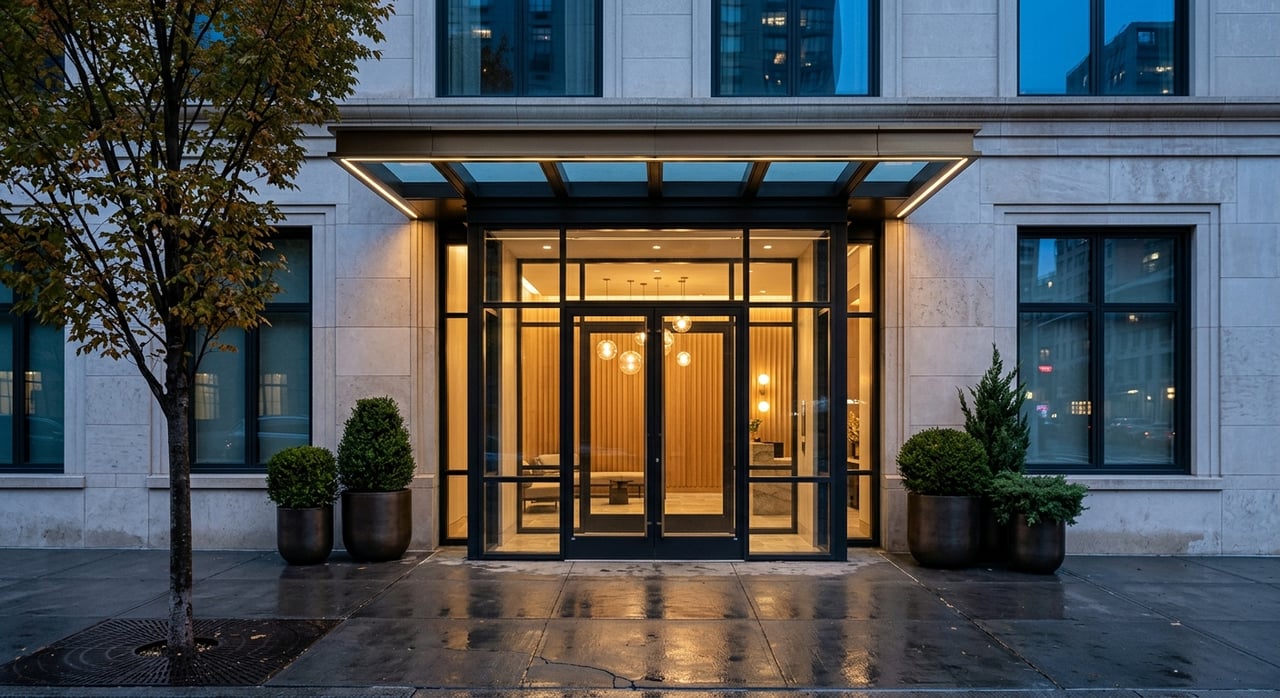
If you are relocating to New York for a demanding role, Tribeca can look like the ideal answer on paper: polished lofts, strong transit access, and a downtown location that helps you move quickly between work and home. But for a busy professional, the real question is not just whether Tribeca is appealing. It is whether you can secure the right home, on the right timeline, without creating unnecessary friction. This guide will walk you through what matters most, from housing options and pricing to commute planning and move-in logistics. Let’s dive in.
Why Tribeca Works for Busy Professionals
Tribeca offers a rare mix of character, convenience, and scale. The neighborhood is known for some of New York City’s earliest cast-iron buildings, along with former warehouse and loft structures that reflect its commercial past, according to the New York Preservation Archive Project. Today, much of the area is residential, shaped in part by historic district designations established in the 1990s and expanded in 2002.
For you, that often translates to homes with architectural presence, larger layouts, and a sense of privacy that can feel especially valuable after a long workday. Tribeca also tends to attract buyers and renters who want a more discreet downtown lifestyle without sacrificing access to the rest of Manhattan and nearby New Jersey.
Tribeca Housing: What to Expect
If you are relocating on a tight schedule, it helps to understand that Tribeca is not a one-size-fits-all market. You will likely see a mix of loft conversions, condos, and co-ops, often in architecturally significant buildings. That can be a major draw, but it also means every building has its own rules, approval process, and practical tradeoffs.
One important factor is landmark status. The Landmarks Preservation Commission notes that designated buildings and properties in historic districts require advance approval for certain alterations, reconstruction, demolition, or new construction affecting the property. If you are hoping to buy and renovate quickly, that extra layer of review can affect timing.
For many busy professionals, this is why turnkey condition matters. If you need to move in soon after closing, a renovated or recently updated apartment may offer a smoother path than a home that requires immediate changes.
Tribeca Prices Are Premium
Tribeca remains one of Manhattan’s most expensive neighborhoods for both ownership and rentals. StreetEasy lists a median sale price of $3.5 million and a median base rent of $7,897. Redfin reported a median sale price of $3.675 million in March 2026.
On the rental side, RentCafe estimated average rent in Tribeca at $6,506 as of March 23, 2026. Its estimate breaks down to about $6,700 for one-bedrooms, $11,671 for two-bedrooms, and $13,616 for three-bedrooms. Since each source uses a different methodology, the exact numbers vary, but the broader takeaway is consistent: you should plan for a premium budget in Tribeca.
Inventory and Timing Matter
Even in a high-end market, timing is not always as fast as people expect. StreetEasy shows 61 days on market for sales, while Redfin reported about 90 days in March 2026. That difference likely reflects methodology, but both figures suggest that deals still require planning and patience.
For relocators, that matters because your work start date may not line up perfectly with the purchase timeline. You may have room to negotiate in some cases, but you still need a disciplined strategy around tours, document review, financing, and closing logistics.
Realtor.com reported 147 homes for sale and 229 rentals in February 2026, with homes selling for 4.73% below asking on average and a 95% sale-to-list ratio. It characterized the neighborhood as a buyer’s market. That does not mean every listing is negotiable in the same way, but it does suggest that pricing and property-specific due diligence remain critical.
Renting First Can Be a Smart Move
If your relocation timeline is tight, renting first may give you flexibility. This can be especially helpful if you want time to learn the neighborhood, compare building types, or decide whether you want a loft-style condo, a more traditional apartment, or a longer-term purchase after you settle in.
A rental can also reduce pressure if your work schedule makes in-person showings difficult. Instead of rushing into a purchase, you can create a two-step plan: secure housing now, then buy once you have better visibility into your routine and priorities.
Furnished and Short-Term Rentals in Tribeca
Many professionals relocating to Manhattan ask about furnished short-term options. In New York City, the legal framework matters here. The Mayor’s Office of Special Enforcement states that rentals of fewer than 30 days are generally prohibited, while rentals of 30 consecutive days or more are exempt.
In practice, that means your realistic options are usually 30-plus-day furnished leases, serviced apartments, or other legally compliant housing. If you were picturing a casual nightly apartment rental while you house hunt, that is usually not the route to count on in Tribeca.
For a busy professional, this makes advance planning essential. If you expect a transition period before signing a long-term lease or closing on a purchase, it is worth building a compliant furnished option into your relocation plan from the beginning.
Transit Access Can Simplify Your Week
Tribeca stands out for strong downtown connectivity. The MTA lists Chambers Street as serving the A, E, 2, 3, R, and W trains, while Canal Street serves the A and E. Nearby World Trade Center expands access to 1, 2, 3, 4, 5, A, C, E, J, Z, R, and W service through the Oculus.
If your work requires travel to New Jersey, this can be especially useful. The Port Authority notes that the Oculus houses the World Trade Center PATH station, which connects Manhattan with neighboring New Jersey communities, including Hoboken and Newark stations. The WTC PATH station is also elevator accessible, with eight elevators in the fare zone.
That transit network can make a major difference if your schedule involves early meetings, office attendance across multiple locations, or regular airport and regional travel. In practical terms, Tribeca can help reduce commute friction, which is often one of the most important quality-of-life factors in a relocation.
Due Diligence Is Not Optional
When you are short on time, it can be tempting to focus only on the apartment itself. In Tribeca, building-level due diligence is just as important. The New York State Attorney General advises co-op and condo buyers to read the offering plan before signing, consult an attorney, and review board minutes, financial reports, and local building records for defects or expensive repairs.
That guidance is especially relevant in a neighborhood with older building stock and landmarked properties. If a building needs major work or if future changes require regulatory approval, that can affect both your timeline and your cost structure.
For a busy professional, the best approach is often a remote-first screening process. Narrow the field quickly, review documents digitally, and reserve your in-person time for the apartments that truly fit your goals.
A Practical Relocation Strategy for Tribeca
If you are moving to Tribeca for work, a clear process can save time and reduce decision fatigue. The most efficient path usually includes:
- Defining whether you should rent first or buy immediately
- Setting a realistic budget using current market data
- Prioritizing commute needs and building type
- Screening for turnkey condition versus renovation needs
- Reviewing co-op or condo documents early
- Planning for compliant furnished housing if you need a short transition stay
This is where a high-touch advisory approach can make a real difference. In a neighborhood where pricing is elevated, inventory is selective, and building details matter, strong execution is often what keeps a relocation from becoming disruptive.
Final Thoughts on Moving to Tribeca
Relocating to Tribeca as a busy professional is very doable, but it works best when your housing strategy matches your timeline. The neighborhood offers strong transit access, distinctive housing stock, and a level of privacy and polish that many professionals value. At the same time, premium pricing, property-specific diligence, and short-term rental rules mean that planning ahead is essential.
If you want guidance on renting, buying, or creating a smooth transition plan in Tribeca, Reynolds Duck offers a discreet, hands-on approach designed for time-constrained clients moving through Manhattan with precision.
FAQs
What is the typical home price in Tribeca for a relocating professional?
- Current market data points to a premium market, with StreetEasy listing a median sale price of $3.5 million and Redfin reporting $3.675 million in March 2026.
What is the typical rent in Tribeca for a relocating professional?
- RentCafe estimated average Tribeca rent at $6,506, with about $6,700 for one-bedrooms, $11,671 for two-bedrooms, and $13,616 for three-bedrooms.
Are short-term furnished rentals legal in Tribeca?
- According to the NYC Mayor’s Office of Special Enforcement, rentals of fewer than 30 days are generally prohibited, so most legitimate temporary options are 30-plus-day furnished leases or serviced apartments.
Is Tribeca a good neighborhood for commuting around Manhattan or to New Jersey?
- Yes. Tribeca has strong subway access through Chambers Street, Canal Street, and the World Trade Center area, and the Oculus includes the PATH station with connections to Hoboken and Newark.
What should a buyer review before purchasing a Tribeca co-op or condo?
- The New York State Attorney General advises reviewing the offering plan, consulting an attorney, and checking board minutes, financial reports, and local building records before signing.