Trying to choose between Tribeca and SoHo? You are not alone. Both neighborhoods sit at the top of downtown Manhattan’s market, both are exceptionally walkable, and both offer a distinct version of loft living. The challenge is that they can feel very different once you get past the headline prices. This guide will help you compare the housing stock, market data, and street experience so you can decide which downtown home fits you best. Let’s dive in.
Tribeca vs SoHo at a Glance
If you want the short version, here it is: Tribeca tends to buy you more space and a calmer residential rhythm, while SoHo tends to buy you landmark character and a more retail-driven downtown experience.
The latest market data points in slightly different directions for each neighborhood. In May 2026, Tribeca posted a median sale price of $3,893,690, while SoHo came in at $3,803,721. At the same time, SoHo had the higher median price per square foot at $2.11K, compared with Tribeca’s $1.82K.
That difference matters. It suggests that Tribeca buyers are often paying for larger footprints or newer luxury product, while SoHo buyers may be paying a premium for a more specialized loft and landmark setting.
Compare the Housing Stock
Tribeca building types
Tribeca’s housing stock grew out of former commercial and warehouse buildings. New York City Planning describes a built environment that ranges from four- and five-story loft buildings with narrow street frontages to eight- and ten-story buildings with full lot coverage. Many older buildings were converted to residential use from the third floor up.
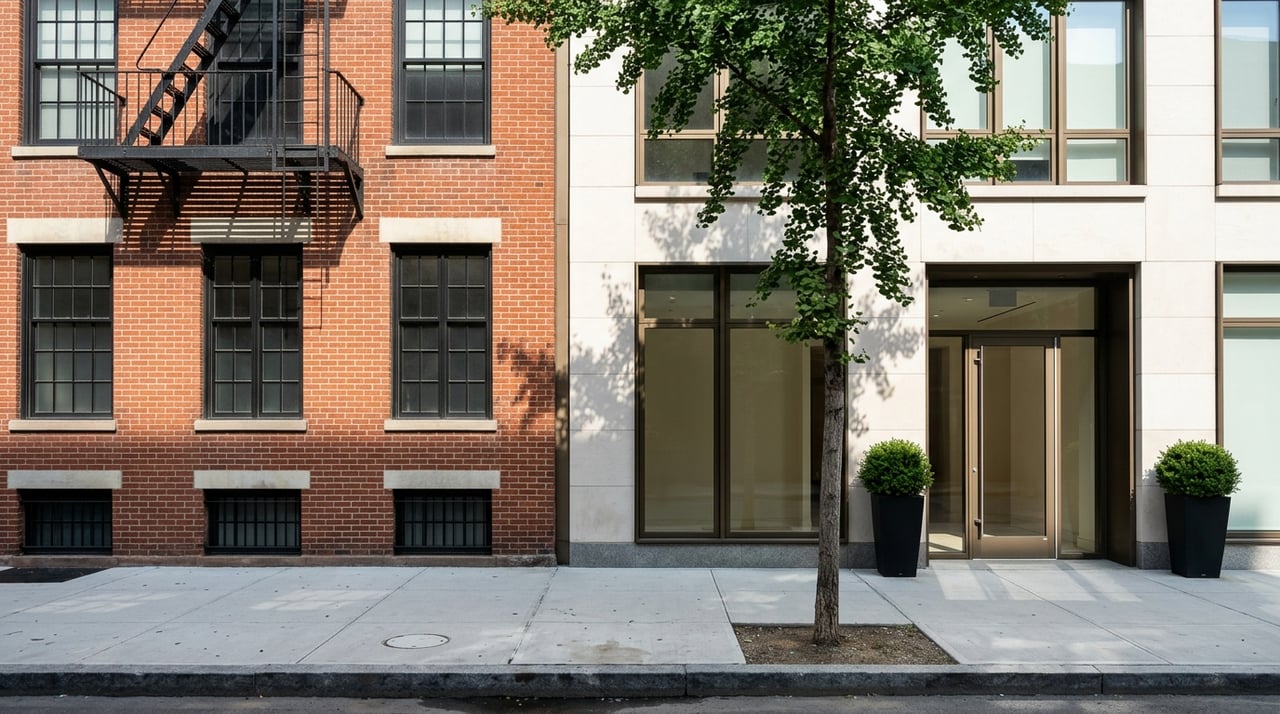
That history still shapes the neighborhood today. You will find classic loft conversions, prewar-style spaces, and newer luxury condominiums, often within a few blocks of each other. If you are comparing listings, the difference between a warehouse conversion and a newer condo tower can meaningfully affect layout, finishes, and overall lifestyle fit.
A recent inventory snapshot showed 164 condos, 15 townhouses, and 1 multi-family unit for sale in Tribeca last month. That points to a market that is largely condo-oriented, with a notable townhouse and loft-conversion presence.
SoHo building types
SoHo’s housing stock is also loft-heavy, but its identity is more closely tied to its artist-housing and cast-iron legacy. New York City Planning breaks SoHo and NoHo housing into categories that include Loft Law and former interim multiple dwellings, joint live-work quarters for artists, and other residential types.
In practical terms, SoHo often offers a more specialized housing mix than a typical Manhattan neighborhood. The ownership and conversion story behind an apartment can matter as much as the finishes, especially when you are evaluating long-term value, use, and resale appeal.
Recent inventory in SoHo showed 131 condos, 12 townhouses, and 1 multi-family unit for sale last month. Like Tribeca, it is condo-heavy, but the product mix tends to feel more niche and more tied to landmark loft character.
Understand the Architecture and Streetscape
Tribeca’s historic fabric
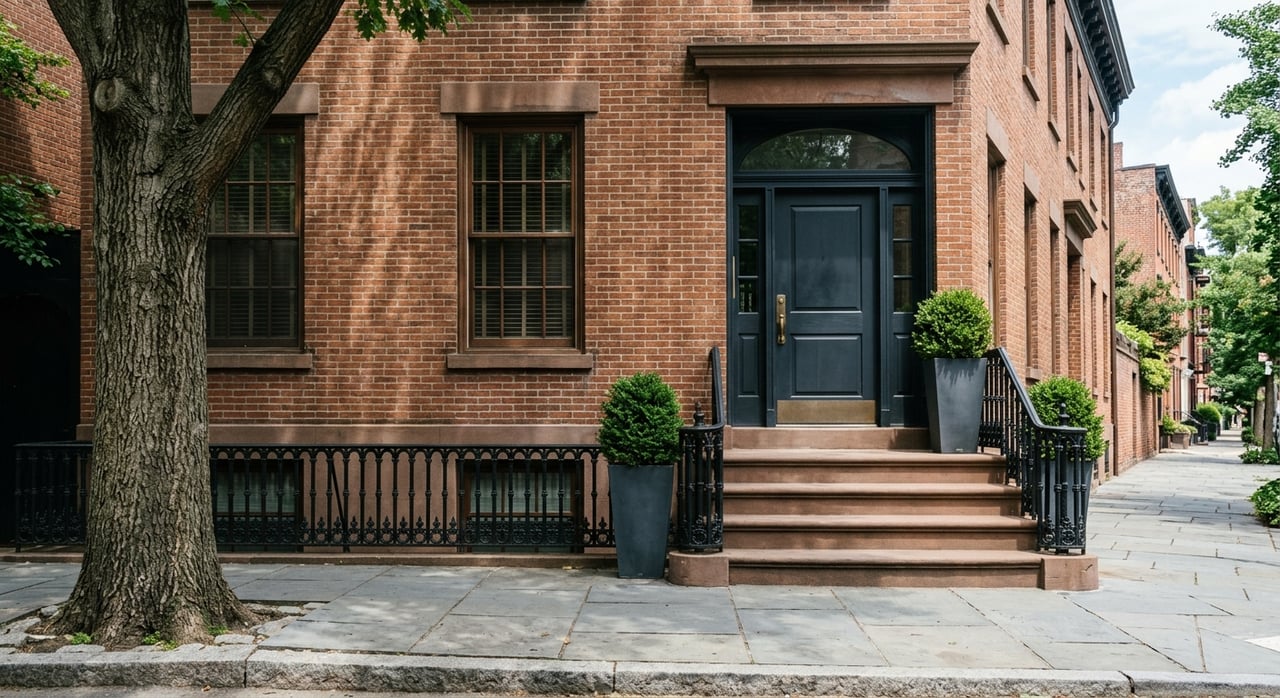
Tribeca is known for its store-and-loft buildings, cast-iron storefronts, and cohesive historic streetscapes. New York City materials on North Tribeca and the Tribeca South Historic District Extension describe a neighborhood that retains a strong nineteenth-century commercial character, even as it has become increasingly residential.
For many buyers, that creates a useful balance. You still get architectural depth and downtown texture, but the day-to-day feeling is often quieter and more neighborhood-oriented.
SoHo’s cast-iron identity
SoHo is one of Manhattan’s most visually distinctive neighborhoods. The SoHo-Cast Iron Historic District and its extension describe cast-iron-fronted buildings, masonry buildings of similar vintage, and protected narrow streetscapes along streets such as Crosby and Howard.
The scale is part of the appeal. The district contains about 500 buildings, with roughly 135 more added in the 2010 extension. If iconic architecture is high on your list, SoHo offers one of the most recognizable urban settings in New York.
Look at the Market Numbers
Tribeca market pace
Tribeca currently shows a slightly higher total-ticket market. In May 2026, the median sale price was $3,893,690, with a median days on market of 77 and a sale-to-list ratio of 99.3%. Realtor.com’s current listing snapshot put Tribeca’s median listing price at $4.5 million with 201 active listings.
Those numbers suggest relatively strong absorption at the high end. Homes are still expensive, but the pace indicates that well-positioned inventory can move with more consistency.
SoHo market pace
SoHo’s median sale price in the same period was $3,803,721, with a median days on market of 128 and a sale-to-list ratio of 97.9%. Realtor.com reported a median listing price of $4 million with 172 active listings.
The key difference is speed. SoHo appears to move more slowly than Tribeca right now, which likely reflects its more specialized inventory and narrower buyer pool.
What the numbers mean for you
When one neighborhood has a higher median sale price and the other has a higher price per square foot, the comparison is not just about budget. It is about what your money buys.
In Tribeca, you may be paying more overall for larger homes or newer luxury product. In SoHo, you may be paying more per square foot for architectural character, landmark setting, and a more singular type of inventory.
Consider the Daily Feel
Tribeca feels more residential
Tribeca’s public identity is more community-oriented and residential in tone. The Tribeca Alliance describes a neighborhood where historic cobblestones meet modern architecture and where independent shops, restaurants, galleries, wellness studios, and local services all play a role.
That translates into a calmer day-to-day experience for many residents. If your ideal downtown life includes neighborhood errands, dining close to home, and quieter side streets, Tribeca may feel more natural.
SoHo feels more energetic
SoHo is more retail-dense and more visitor-facing. The SoHo Broadway Initiative describes a mixed-use district with national and international retailers, a large office presence, over 21,000 workers, 25,000 residents, and 111,183 daily subway riders entering the district.
That level of activity shapes the street experience. SoHo often feels more animated, more commercial, and more crowded, especially around Broadway and the core shopping blocks.
Use This Decision Framework
Choose Tribeca if you want space
Tribeca may be the stronger fit if you are looking for:
- A more residential-feeling downtown address
- Larger lofts or more generous layouts
- Newer luxury condo options
- Quieter block character
- A neighborhood rhythm that feels more local day to day
This choice often appeals to buyers who want downtown access without constant retail activity outside the front door.
Choose SoHo if you want character
SoHo may be the stronger fit if you care most about:
- Iconic cast-iron architecture
- Landmark streetscapes
- A more energetic shopping and dining environment
- Specialized loft inventory
- A neighborhood with a stronger commercial buzz
This choice often appeals to buyers who want a highly distinctive setting and are comfortable with more pedestrian activity.
What to Compare Listing by Listing
Even within the same neighborhood, two homes can offer very different value. A smart comparison should go beyond the asking price.
Focus on these five checkpoints:
- Total price
- Price per square foot
- Days on market
- Building type
- Conversion or ownership story
In SoHo, Loft Law and joint live-work history can be important context. In Tribeca, the difference between a prewar loft, a warehouse conversion, and a newer condo tower can shape both value and livability.
The Bottom Line on Tribeca vs SoHo
There is no universal winner here. The better neighborhood is the one that matches how you want your home, your block, and your daily routine to feel.
If you want more space, a quieter tone, and a more residential downtown setting, Tribeca often comes out ahead. If you want historic cast-iron character, a high-energy street scene, and a more specialized loft market, SoHo may be the better fit.
If you are weighing both, a data-driven side-by-side comparison can make the decision much clearer. The right guidance is often less about picking the more famous neighborhood and more about identifying the better match for your priorities, timing, and budget.
Ready to compare Tribeca and SoHo with a sharper strategy? The Duck Kirsch Team offers boutique, data-informed guidance for Manhattan buyers who want clear advice, discreet service, and a more tailored downtown search.
FAQs
What is the main difference between Tribeca and SoHo for homebuyers?
- Tribeca generally offers a more residential feel and larger footprints, while SoHo is known for cast-iron architecture, specialized loft inventory, and a more retail-heavy street experience.
Is Tribeca more expensive than SoHo right now?
- Based on May 2026 data, Tribeca had the higher median sale price at $3,893,690, while SoHo had the higher median price per square foot at $2.11K.
Does SoHo or Tribeca move faster in the current market?
- Tribeca is moving faster based on recent data, with a median 77 days on market compared with 128 days in SoHo.
What kinds of homes are most common in Tribeca and SoHo?
- Both neighborhoods are condo-heavy, but Tribeca includes a meaningful mix of loft conversions and some townhouses, while SoHo has a more specialized loft and landmark product mix.
Should you focus on price per square foot when comparing Tribeca and SoHo homes?
- Yes, but not by itself. You should compare total price, price per square foot, days on market, building type, and the apartment’s conversion or ownership history to get a fuller picture.