Thinking about selling in Williamsburg and wondering if small fixes are worth it? In a market where listings often sit around the million‑plus mark, thoughtful touch‑ups can deliver outsized returns without dragging out your timeline. You want the best price without a gut renovation, and you want to avoid approval headaches. This guide shows you which minor upgrades tend to pay off here, what to skip, and the local rules that can change the plan. Let’s dive in.
Why small upgrades matter in Williamsburg
Williamsburg remains one of Brooklyn’s higher‑priced markets, with recent medians hovering around the mid‑to‑high $1.6M range and listing activity moving faster than a year ago. That means a few thousand dollars spent wisely can meaningfully improve first impressions and offer strength. You can review current neighborhood snapshots on Realtor.com’s Williamsburg overview to understand price context and cadence (market overview).
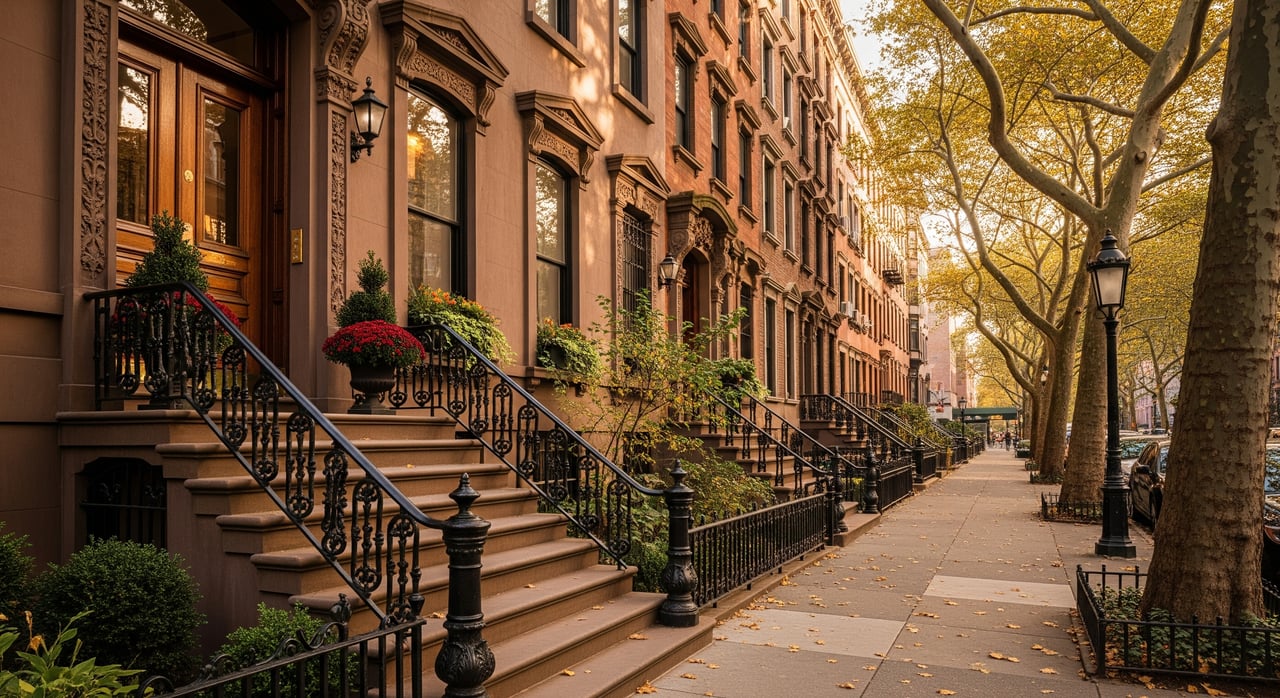
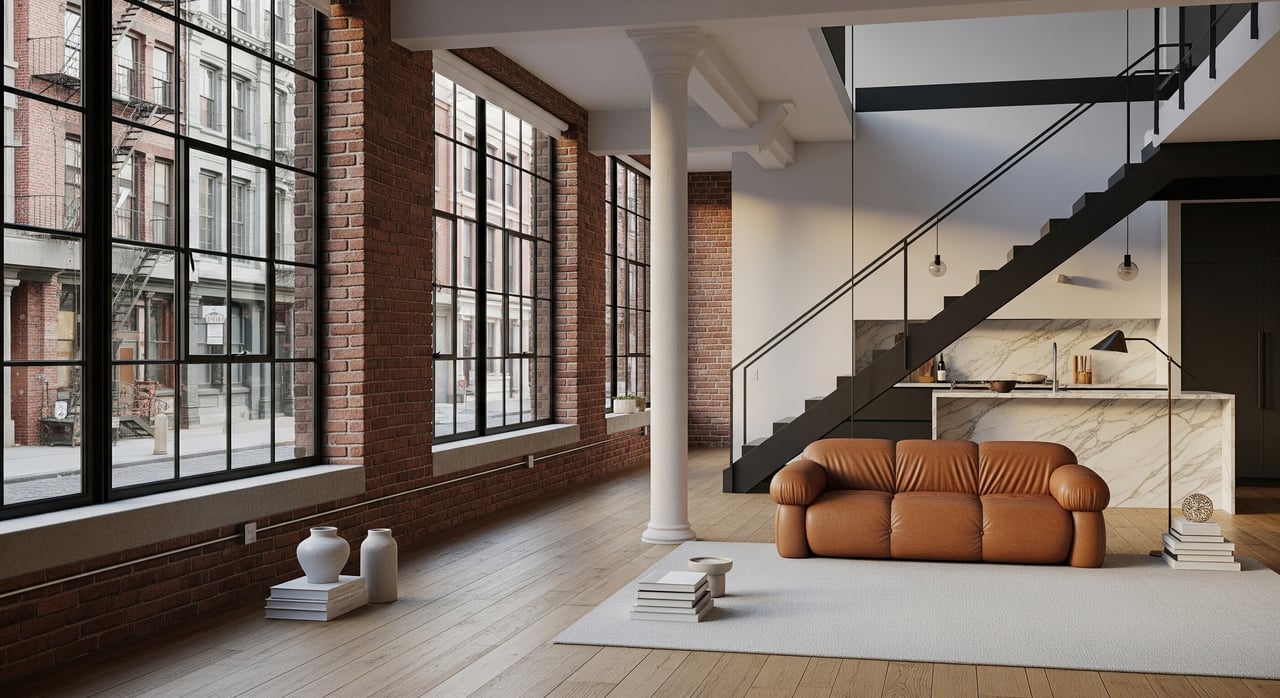
The housing mix spans pre‑war rowhouses and walk‑ups, industrial loft conversions, older co‑ops, and new waterfront condos. Newer buildings compete on amenities and turnkey finishes. Older homes win buyers with preserved character paired with modern kitchens, refreshed baths, and usable outdoor space. Local development on the waterfront reinforces the “turnkey” bar for many shoppers (new waterfront supply context).
What buyers notice first
Across NYC, certain features reliably move the needle: in‑unit laundry, private outdoor space, modern kitchens and baths, and bright, functional layouts. Listings that check these boxes earn more clicks and showings, which leads to stronger offer momentum (NYC features that sell).
Minor upgrades with real payoff
Fresh paint, deep clean, declutter
A clean, neutral canvas photographs better and makes rooms feel larger. Prioritize walls, trim, grout, and closets. This is the fastest, lowest‑risk spend to improve listing photos and showing feedback.
Strategic staging
Staging helps buyers visualize scale and flow. The National Association of Realtors reports that staging often shortens days on market and can lift offers by a few percentage points relative to unstaged homes. Median staging fees are modest compared to Williamsburg price points (NAR staging findings). If budget is tight, stage the living area, kitchen, and the largest bedroom.
Minor kitchen refresh
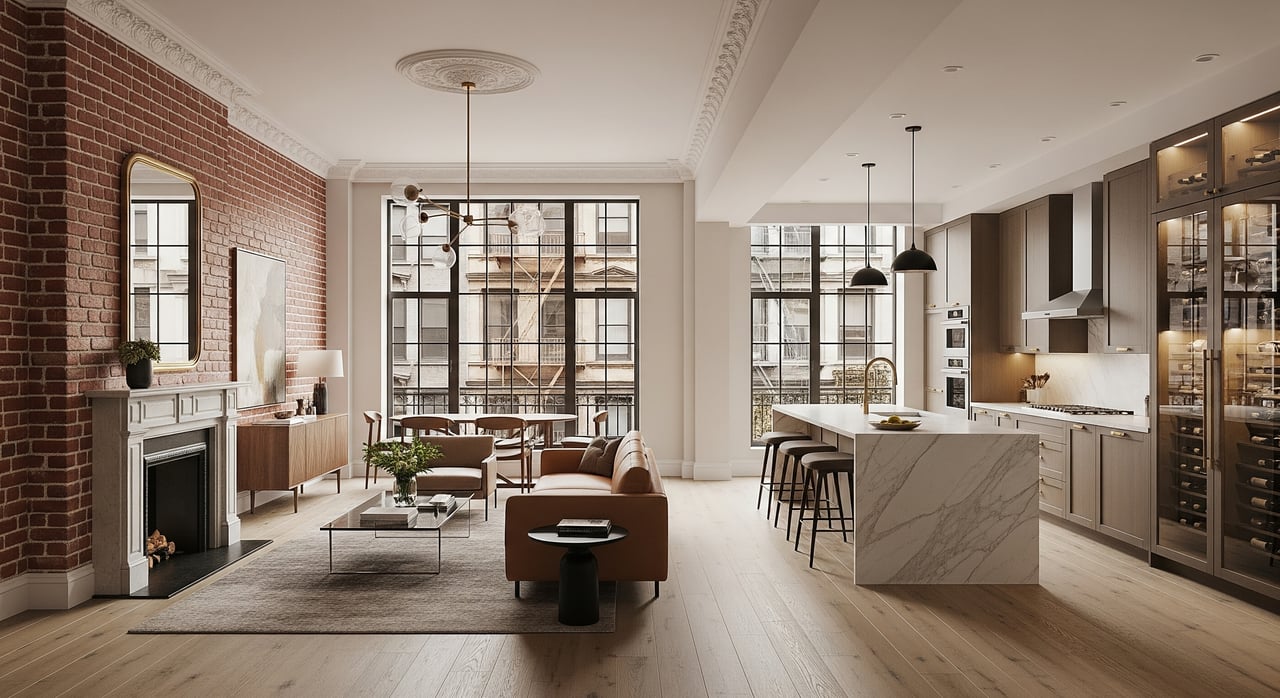
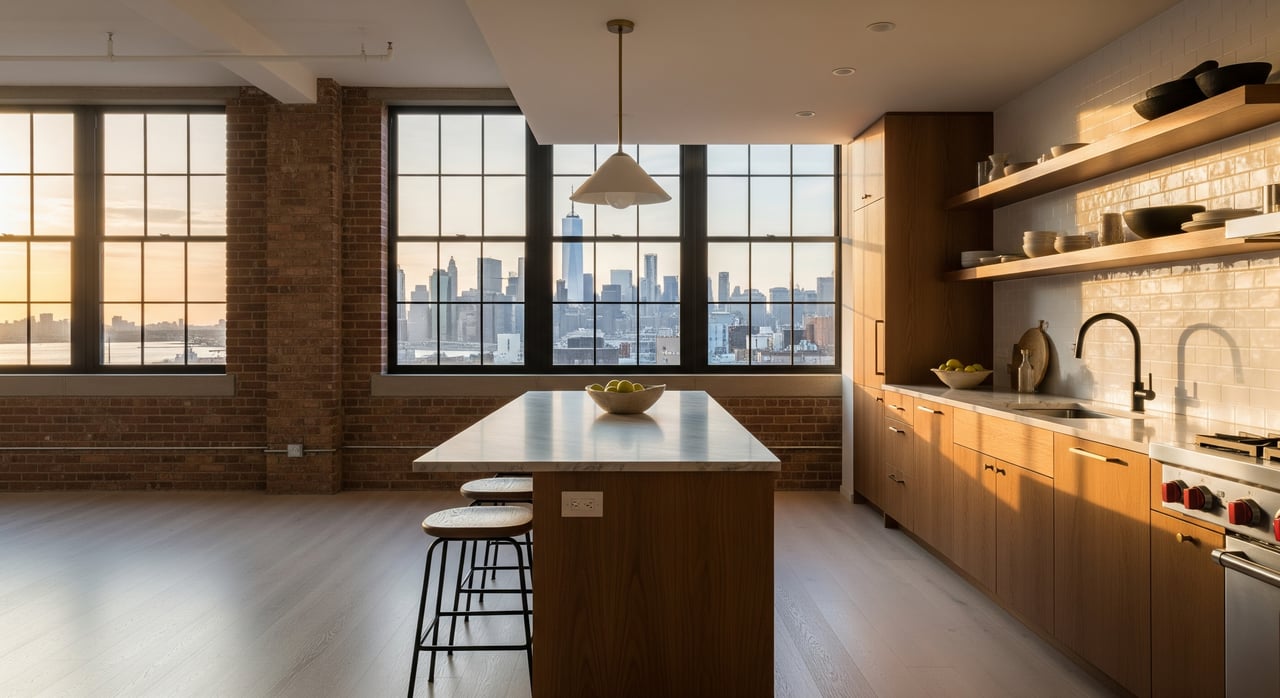
You do not need a full gut to compete. Cabinet refacing or paint, new counters and backsplash, modern hardware, updated lighting, and a select appliance swap can transform photos. Remodeling’s Cost vs. Value data shows minor kitchen remodels often recoup a large share of cost nationally, with strong buyer appeal in urban markets (Cost vs. Value trends).
Bathroom updates
Replace a dated vanity, mirror, lighting, and fixtures. Regrout or retile problem areas and ensure proper ventilation. Bathrooms act as a hygiene signal, so visibly fresh and functional spaces support stronger offers.
Flooring and lighting consistency
Refinish existing hardwoods or install consistent engineered flooring where patchwork materials break up flow. Swap in warm LED lighting and simple, modern fixtures. Uniform finishes read as “well maintained” and pop in photography.
Entry and curb appeal
For townhouses and small buildings with private entries, a quality front door, polished hardware, tidy stoop, and fresh paint add perceived security and care. Entry door replacements often rank among the highest recoup projects in national data (Cost vs. Value trends).
Elevate outdoor space
Even small balconies or roof terraces benefit from planters, deck cleaning or staining, string lighting, and concise staging. Private outdoor space is scarce and prized in city listings, so presentation pays off (outdoor space value context).
In‑unit washer/dryer, if allowed
In‑unit laundry often commands a premium in NYC. That said, many co‑ops restrict new installations or require board and engineer approval, noise mitigation, and safety devices. Confirm feasibility before you spend (washer/dryer rules explained).
Fix the little mechanicals
Address minor leaks, dripping faucets, a noisy fan, or a weak HVAC zone. Fresh service records help buyers feel confident and reduce renegotiation risk.
Projects to approach with caution
Window replacements and façade changes
New windows can improve comfort, but they often require permits, energy‑code compliance, and higher costs in older buildings. Multi‑story facades have inspection cycles and technical filing requirements that can complicate timing (DOB facade and energy code basics).
Exterior work in historic areas
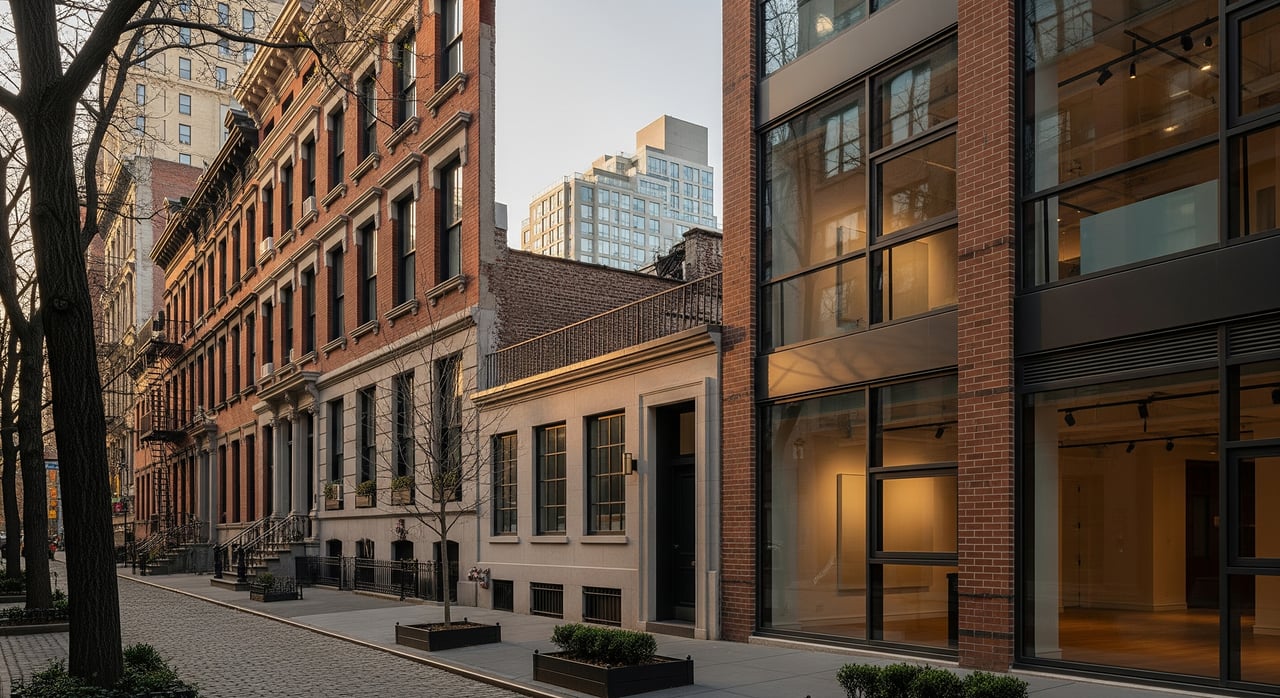
Parts of Williamsburg sit within LPC‑regulated districts, such as Fillmore Place. Any exterior change visible from the street usually needs approval, and timelines can stretch. Always confirm LPC status before planning visible work (Fillmore Place designation context; LPC permits overview).
Know your approvals and timing
Building rules shape what is “minor.”
- Co‑ops typically require alteration agreements, insurance, deposits, and board approvals for work involving plumbing or electrical. Many restrict new washer/dryer installs. Deviating from approved plans can lead to enforcement (co‑op renovation guidance).
- Condos can be more permissive, but management rules and DOB filings still apply.
- In LPC districts, visible exterior changes require LPC review. Ordinary maintenance that does not alter appearance may be exempt, but confirm requirements early (LPC permits overview).
Build in lead time for approvals and contractor scheduling. In NYC, even “small” projects can add weeks.
Budget sweet spot for a faster sale
In a market where medians run high, spending roughly 0.2 to 1 percent of your expected list price on presentation typically offers the best risk‑adjusted return. For many Williamsburg homes, that means prioritizing paint, targeted staging, a minor kitchen or bath refresh if dated, and easy mechanical fixes. Staging in particular is a quick‑impact line item with a favorable cost to outcome ratio (NAR staging findings).
Quick seller playbooks
- If you need to list within 30 days: paint, declutter, deep clean, swap a few key fixtures, stage main rooms, and schedule pro photography. Skip complex permits.
- If you have 60 to 120 days: add a minor kitchen or bath refresh, unify flooring where disjointed, and elevate outdoor space. Confirm building approvals at the start.
- If your comps are newer condos: focus on turnkey feel. That may require a more polished kitchen refresh, modern lighting, and emphasizing any private outdoor area in your visuals.
Ready to calibrate your plan to the comps and your building’s rules? Connect with the Duck Kirsch Team for a data‑driven prep list, vetted vendor referrals, and presentation that resonates with Williamsburg buyers. Start a conversation with Reynolds Duck.
FAQs
Do small upgrades really pay off in Williamsburg resales?
- Yes. With medians in the million‑plus range and faster market cadence, modest spend on presentation can improve photos, showings, and offer strength (market overview).
Which upgrades deliver the best ROI before listing?
- Fresh paint, cleaning, and targeted staging are top tier, followed by minor kitchen or bath refreshes and consistent flooring; staging shows measurable benefits in time on market and offer quality (NAR staging findings; Cost vs. Value trends).
Is it worth adding a washer/dryer before I sell?
- Possibly, but only if your building allows it and the layout supports it; in‑unit laundry can carry a premium in NYC, though many co‑ops restrict new installations or require engineering approvals (washer/dryer rules explained).
Do I need permits for window or exterior updates in Williamsburg?
- Often yes. Window and façade work can trigger DOB and energy‑code filings, and visible exterior changes in LPC districts require approval (DOB facade and energy code basics; LPC permits overview).
How much should I budget before listing my Williamsburg home?
- Many sellers allocate about 0.2 to 1 percent of their target list price to paint, staging, minor kitchen or bath updates, and simple mechanical fixes, prioritizing the items that improve photos and first impressions (NAR staging findings).