Wondering why one SoHo loft feels unforgettable in photos while another feels surprisingly compromised in person? In SoHo, the answer often starts with the building itself. If you are considering a purchase here, understanding how cast-iron architecture shapes light, layout, privacy, and renovation options can help you buy with much more confidence. Let’s dive in.
Why cast-iron matters in SoHo
SoHo’s Cast-Iron Historic District was designated on August 14, 1973, and covers 26 blocks with about 500 buildings. According to New York City materials, it contains the largest concentration of full and partial cast-iron facades in the world. That alone makes the architecture more than a backdrop. It is a defining part of what you are buying.
These buildings began as residential properties and later shifted toward commercial, warehouse, and loft uses during the 19th century. Cast iron appealed to builders because it could be prefabricated, assembled quickly, and used relatively economically. It was also promoted as fire-resistant for dry-goods and warehouse buildings, though it was not perfectly fireproof.
What buyers notice first
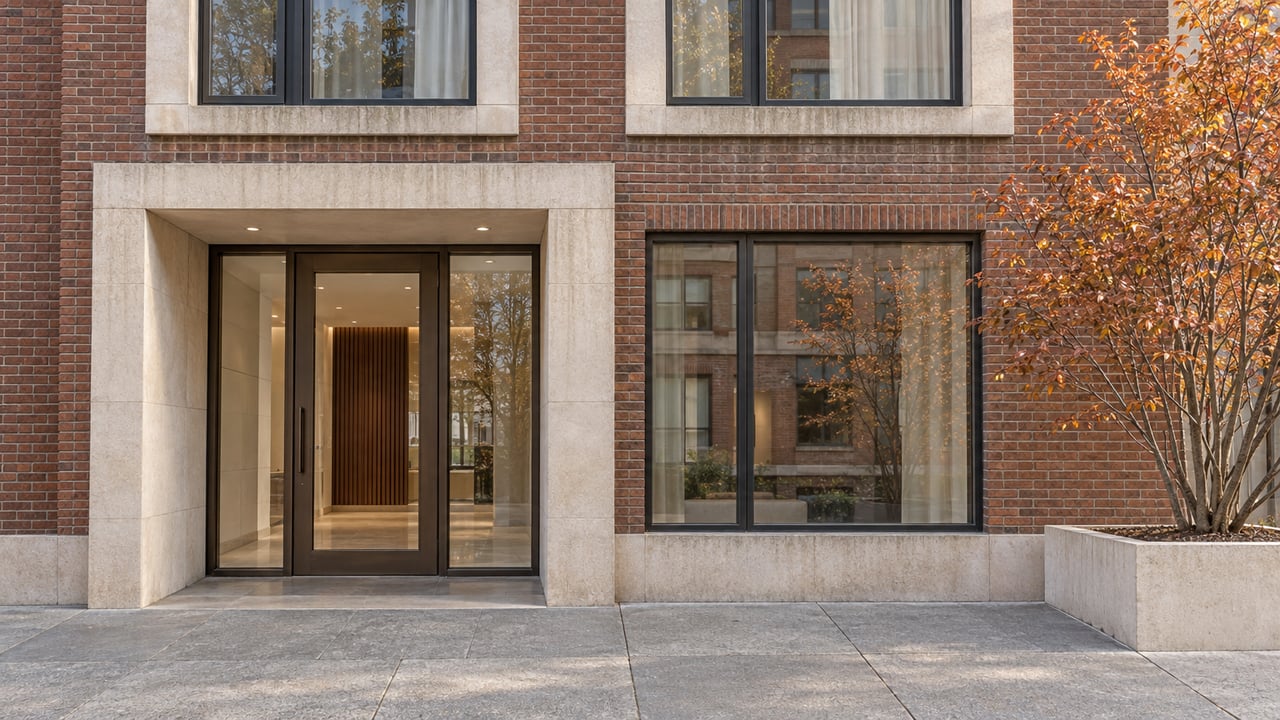
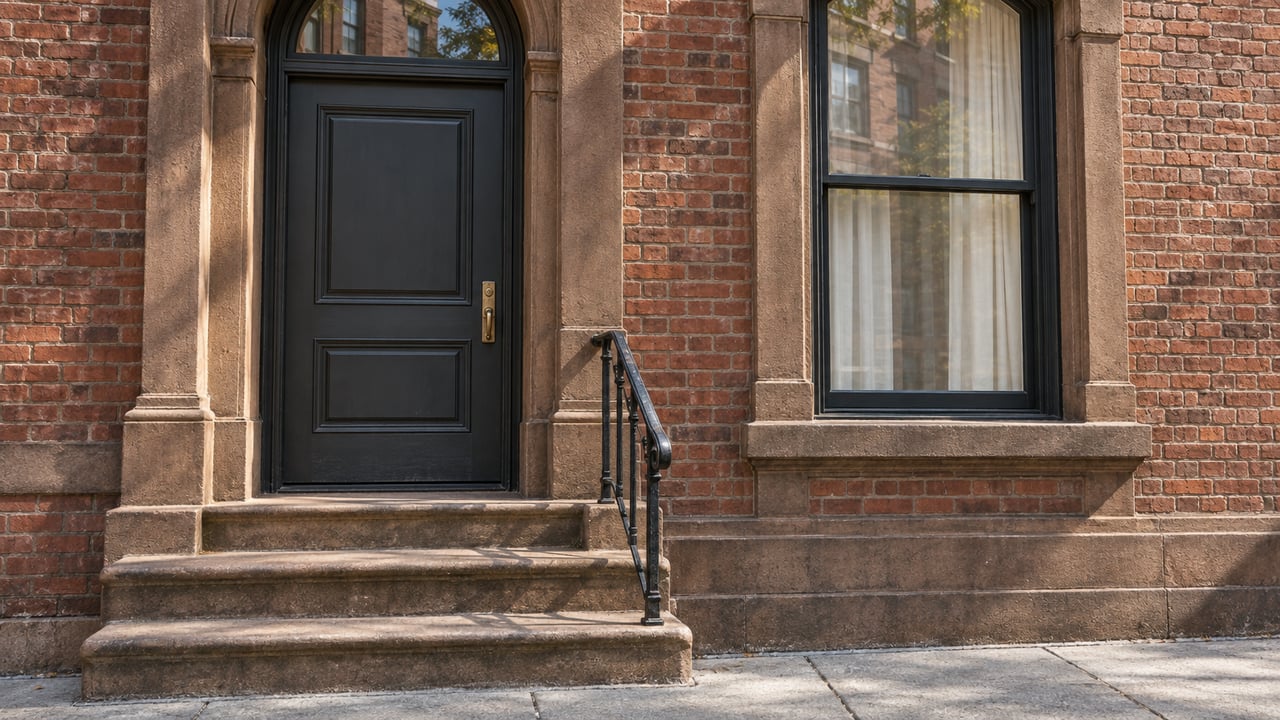
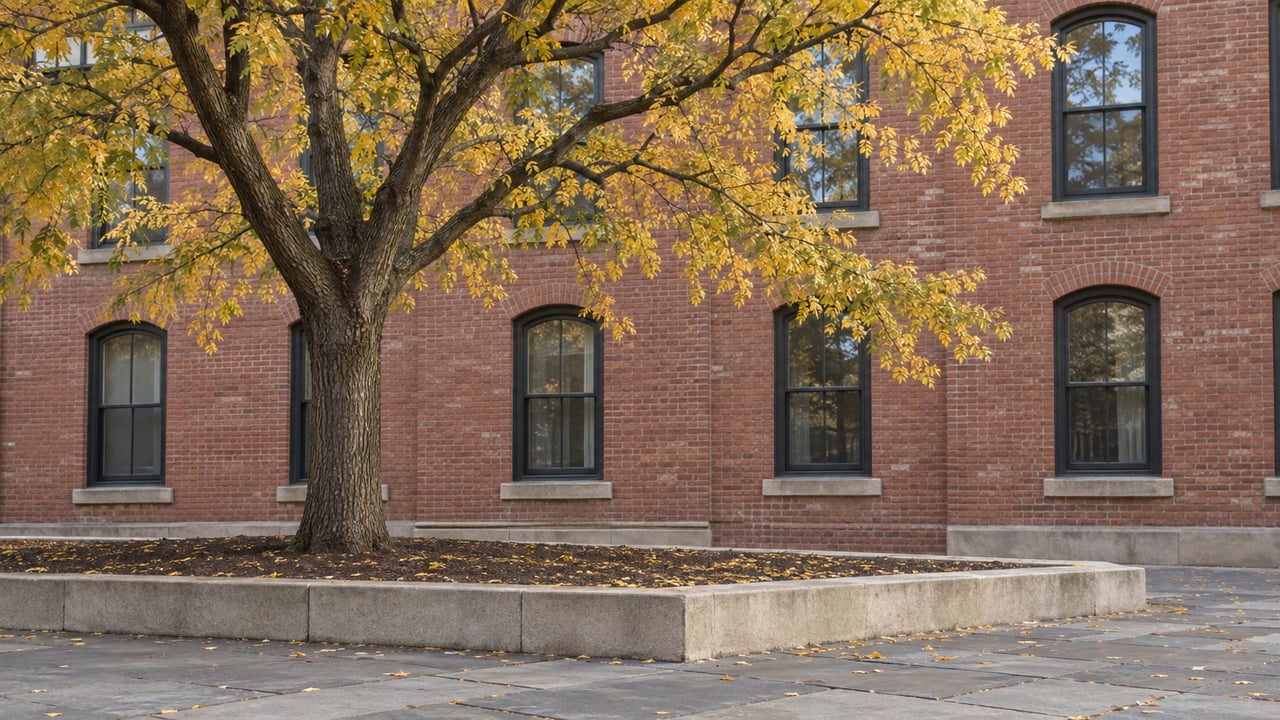
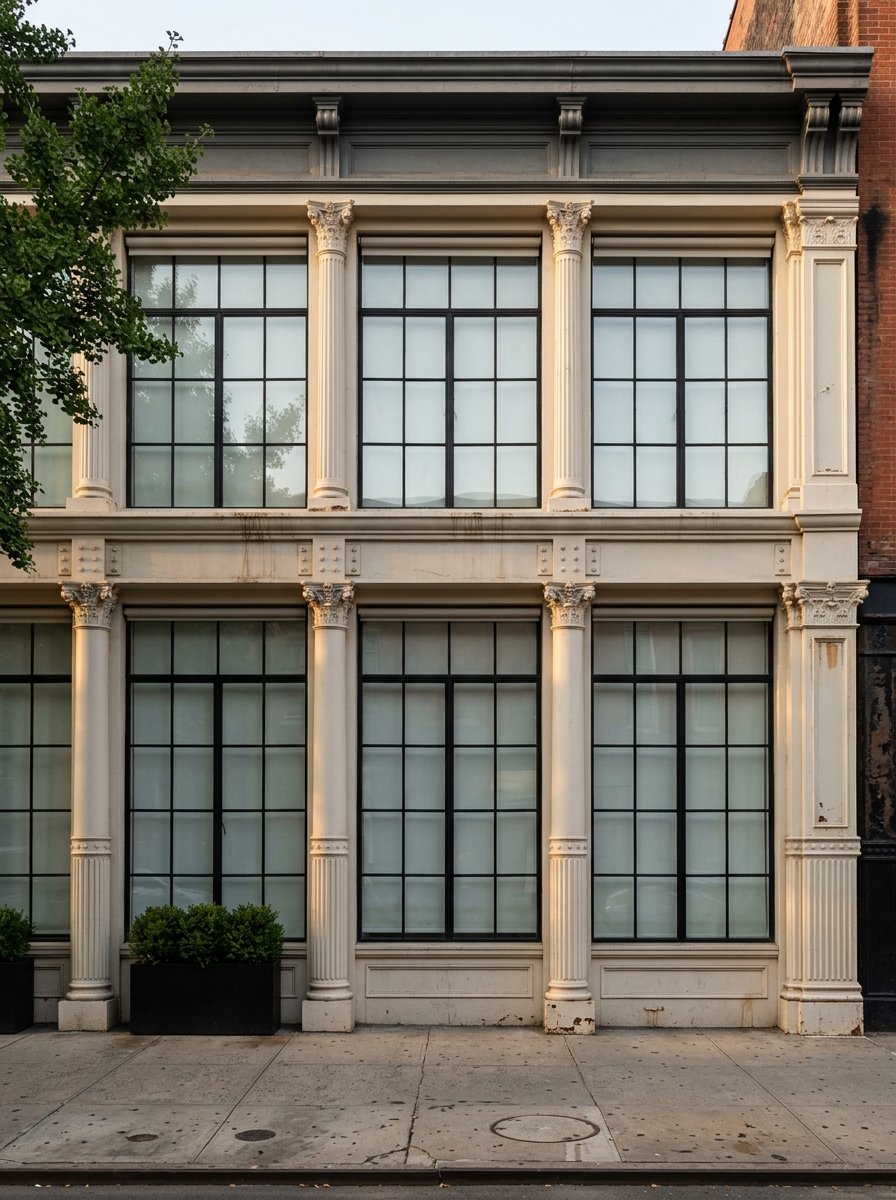
In today’s listings, SoHo’s historic core is still visually shaped by mid- to late-19th-century loft buildings and masonry structures with cast-iron components. Many are five to seven stories tall, built on narrow lots, and set directly at the sidewalk with little to no setback. That creates the strong streetwall and rhythmic facades that make SoHo instantly recognizable.
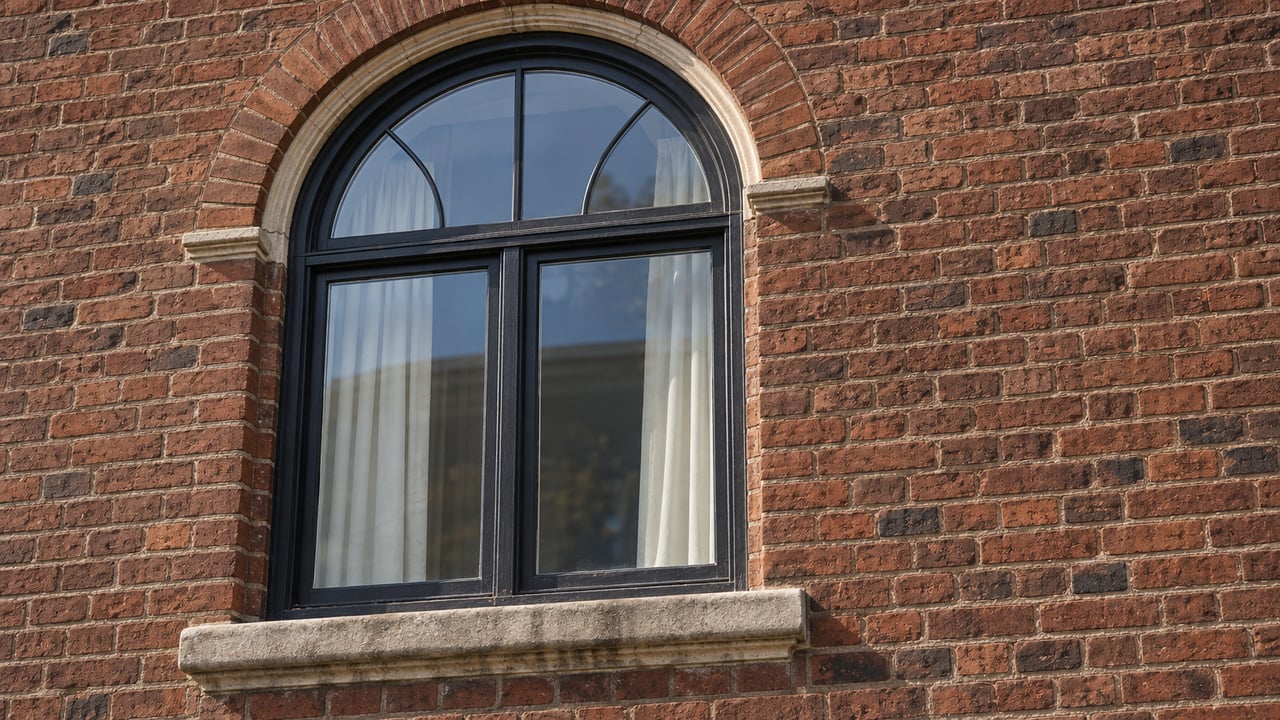
You will often see tall ground floors, repeated window openings, arched windows, ornamental details like pilasters and friezes, and pronounced cornices. Even brick buildings may include cast-iron lintels or cast-iron cladding at lower levels. In listing photos, this repeated bay pattern often gives a unit a distinctly orderly, architectural feel.
One important nuance is that an ornate exterior does not always tell you much about the interior layout. The Landmarks Preservation Commission has noted that some complete cast-iron facades functioned almost like curtain walls, with limited relationship to the structure behind them. In practical terms, you should not assume the prettiest facade automatically means the best floor plan.
How cast-iron design affects the interior
Open floor plates
Many SoHo loft buildings were designed to maximize open interior space. Interior cast-iron columns carried floor loads, and in narrower buildings some floors could span the full width without a center row of supports. That helps explain why so many SoHo homes feel long, open, and flexible compared with more compartmentalized prewar apartments.
For buyers, this can be a major advantage. If you value volume, sightlines, and a loft-like feel, cast-iron buildings often deliver exactly that. But open space also means you need to look more closely at how the current owner solved sleeping areas, work zones, and storage.
Light and ceiling height
Large windows were not just decorative. Historically, they were designed to bring ample sunlight into loft spaces. Combined with high ceilings, they often make a home feel bigger than its square footage suggests.
That said, light is not equal in every loft. Better daylight potential often comes on higher floors and in units with fewer neighboring obstructions. Because many buildings meet the sidewalk without setbacks, lower-floor apartments may feel dramatically different from upper-floor units in the same line.
Columns, depth, and room planning
A classic cast-iron loft often reads as a deep room with repeated window bays and a tall, open volume. That can be beautiful, but it can also make planning more complex. Columns, beam spans, and window placement still shape where bedrooms, offices, and kitchens can realistically go.
This is where buyers sometimes overestimate flexibility. An open loft is not a blank page in every sense. Before you fall in love with the idea of reconfiguring the space, study the floor plan carefully and think about how natural light reaches the back of the home.
The tradeoffs buyers should weigh
Privacy and street exposure
SoHo’s building form creates drama, but it can also create exposure. Because many buildings sit directly on the sidewalk and the area includes a mix of residential, commercial, and manufacturing uses with ground-floor retail, lower-floor homes can feel more connected to street activity than apartments in recessed residential towers.
That does not make lower floors a poor choice. It simply means your comfort with street presence matters. If privacy and quiet are high priorities, you may want to compare lower and higher floors in the same building before making a decision.
Noise expectations
The same mixed-use character that gives SoHo energy can affect day-to-day sound levels. Retail activity, delivery patterns, and general street life may register more clearly in homes closer to the street. Buyers who love neighborhood texture may see that as part of the appeal, while others may prefer more elevation from the sidewalk.
When possible, visit at more than one time of day. A loft that feels serene at midday may feel very different in the early morning or evening. In SoHo, your sensory experience is part of the product.
Storage realities
Open lofts often come with fewer built-in closets and less separation between living zones. If you need substantial storage, you may need to budget for custom millwork, wardrobes, or reworked closet systems. This is one of the most common practical gaps between the romance of a loft and the daily function of living in one.
For some buyers, this is an easy trade. For others, especially if you want a very clean interior, built-ins may be essential rather than optional. It is worth pricing that work into your overall acquisition plan.
What to look for in listing photos
A few visual clues can tell you a lot before you ever step inside.
Look closely for:
- Repeated window rhythm across the main living area
- Visible columns or pilasters inside the apartment
- The depth of the room from the windows to the back wall
- Whether the home appears lightly subdivided or heavily partitioned
- How much of the ceiling height is emphasized in the photography
In a classic cast-iron loft, the strongest images usually show depth, tall windows, and a sense of volume rather than a sequence of smaller enclosed rooms. If the layout looks heavily broken up, ask yourself whether that improves function for you or works against the loft character you are paying for.
Why legality matters as much as design
In SoHo, architecture is only part of the buying decision. Legal status matters just as much. One of the most important questions is whether a loft is a standard residential unit, a JLWQA unit, or still under Loft Board jurisdiction as an IMD building.
New York City’s Loft Board explains that Article 7-C of the Multiple Dwelling Law creates the framework for legalizing certain loft buildings for residential use. New York City Buildings also notes that the SoHo/NoHo Neighborhood Plan preserved existing JLWQA use, prohibited new JLWQA conversions after December 15, 2021, and created a voluntary path to residential conversion for existing conforming JLWQA use.
For a buyer, this is not background detail. It can affect use, renovation planning, and future flexibility. You want clarity on status early in the process, not after you are emotionally committed.
Renovation limits in a landmark district
If you are buying with renovation in mind, landmark rules should be part of your decision from day one. In a historic district, the Landmarks Preservation Commission requires permits for most exterior work, even when changes are not visible from the street. LPC also requires permits for interior work that needs a Department of Buildings permit or affects the exterior, including items like HVAC louvers and vents.
Ordinary maintenance is treated differently. Replacing broken glass, touching up paint, or replacing window hardware in kind generally does not require an LPC permit. Still, the main takeaway is simple: in SoHo, renovation timelines and approvals may be more layered than buyers expect.
This does not mean you should avoid these properties. It means you should treat the landmark framework as part of the ownership experience. In cast-iron buildings, the architecture and the approval path are often inseparable.
How to buy more strategically in SoHo
The right SoHo purchase usually comes down to matching the building’s character to your priorities. If you value light, ceiling height, and historic detail, cast-iron lofts can be deeply compelling. If you need turnkey storage, maximum privacy, or highly conventional room counts, you may need to be more selective.
A disciplined buying process helps. Focus on how the apartment actually lives, not just how it photographs. In this neighborhood, beauty is real, but so are the tradeoffs.
A smart shortlist often starts with these questions:
- How important are ceiling height and window scale to you?
- Are you comfortable with a more open floor plan?
- Do you need to budget for custom storage?
- Would a lower floor feel too exposed for your lifestyle?
- Are you considering renovation, and if so, have you accounted for landmark review and legal status?
When you answer those questions honestly, the cast-iron story becomes much more useful. You stop shopping for a fantasy and start identifying the version of SoHo that actually fits how you want to live.
If you are evaluating a SoHo loft, careful due diligence can protect both your time and your upside. The most successful buyers here tend to appreciate that the facade, the floor plate, the legal framework, and the landmark rules all work together. That complexity is exactly what makes the right purchase so rewarding.
If you want a clear, discreet assessment of how a specific SoHo building or loft aligns with your goals, The Duck Kirsch Team can help you evaluate the details with precision.
FAQs
What makes SoHo cast-iron buildings different from other Manhattan properties?
- SoHo’s cast-iron buildings often combine tall ceilings, large windows, open loft-style interiors, and landmarked historic facades, which can create a very different living experience from a typical prewar or new development apartment.
How do SoHo cast-iron facades affect apartment layouts?
- The facade does not always reveal the interior plan, because some cast-iron exteriors functioned almost like curtain walls, so buyers should review floor plans carefully rather than assume the exterior predicts the layout.
What should buyers know about light in SoHo lofts?
- Large windows can create strong daylight potential, but actual light depends on floor level, orientation, and nearby buildings, with higher floors often offering a brighter experience.
What legal status should buyers verify in a SoHo loft purchase?
- Buyers should confirm whether the unit is a standard residential apartment, a JLWQA unit, or still under Loft Board jurisdiction as an IMD building, because that status can affect use and future planning.
Do renovations in SoHo historic buildings require approvals?
- Yes, many exterior changes and some interior changes that need Department of Buildings permits or affect the exterior require Landmarks Preservation Commission permits, so renovation planning should start with approval requirements in mind.