Looking at Tribeca and wondering whether it lives up to the reputation? For many buyers and renters, the answer is yes, but the details matter more than the name. If you are weighing historic loft streets against newer waterfront buildings, or trying to understand what pricing really looks like, this guide will help you get oriented. Let’s dive in.
Why Tribeca Stands Out
Tribeca has a distinct identity because it was shaped to remain mixed-use rather than becoming purely residential. The neighborhood sits within Manhattan Community Board 1, and city planning rules and landmark protections help explain why you still see warehouse-era buildings, loft conversions, ground-floor retail, and newer residential development existing side by side.
That planning framework gives Tribeca a feel that is both preserved and flexible. In practical terms, you get a neighborhood with architectural character, a quieter street rhythm than many downtown areas, and a range of housing types that can look very different from one subarea to the next.
Tribeca Subareas to Know
If you are searching in Tribeca, it helps to think about the neighborhood in sections rather than as one uniform market. The streetscape, building stock, and day-to-day feel can shift noticeably within a few blocks.
North Tribeca
North Tribeca is generally bounded by Canal Street, Broadway, West Street, and Walker and Beach Streets. City Planning describes this area as having a history of industrial, warehouse, automotive, and some residential uses, with many late-19th- and early-20th-century loft buildings.
Today, this part of the neighborhood often feels more open and more in transition than the loft-heavy core. Along the West Street edge, larger sites and newer construction are more common, which can appeal to buyers and renters who want river access, modern amenities, and a less enclosed streetscape.
Tribeca South
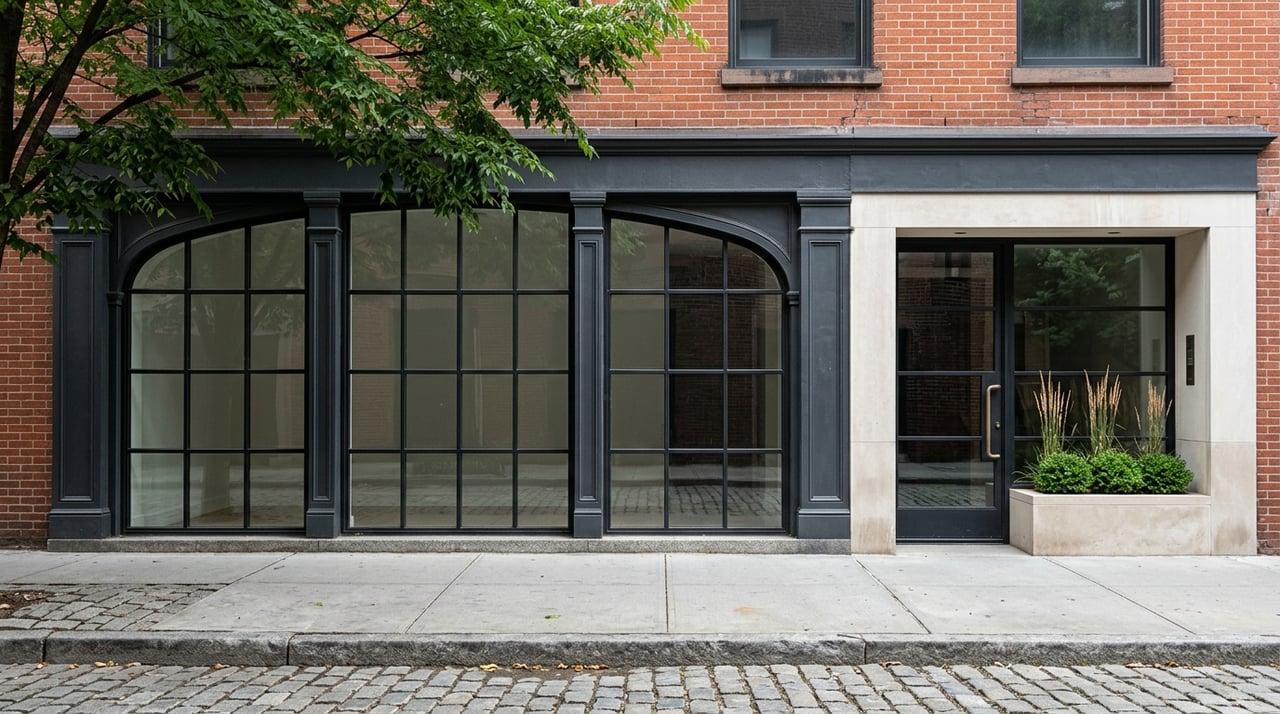
Tribeca South runs roughly from Chambers Street north to Duane and Thomas Streets between Broadway and West Broadway. This is one of the clearest examples of the classic Tribeca look, with mid-19th-century store-and-loft buildings, cast-iron storefronts, and upper facades in stone, brick, or cast iron.
If you picture a quieter Manhattan block lined with historic loft buildings, this is likely what you have in mind. The streets here tend to feel cohesive, low- to mid-rise, and architecturally consistent.
Tribeca East
Tribeca East covers the area south of Canal Street, east of West Broadway, north of Worth Street, and west of Lafayette Street. Many buildings in this section were commercial loft structures that later became residential above ground-floor retail.
For buyers and renters, Tribeca East can offer a strong blend of historic character and practical mixed-use living. It often suits people who want the texture of an older downtown streetscape while staying close to neighborhood services and transit.
Tribeca West
Tribeca West stretches west of West Broadway toward Greenwich, Hudson, and Varick Streets. Like other parts of the neighborhood, it includes store-and-loft buildings, though official landmark descriptions note a more utilitarian wholesale character and less ornament than the Broadway retail core.
That distinction matters if you are comparing blocks. Some buyers and renters are drawn to the understated industrial feel here, while others prefer the more decorative look found in the heart of Tribeca South.
Housing Types You Will Find
Tribeca’s housing stock is one of the main reasons the neighborhood draws both buyers and renters. It is not a one-building-type market, and that gives you meaningful options depending on your priorities.
Historic loft buildings
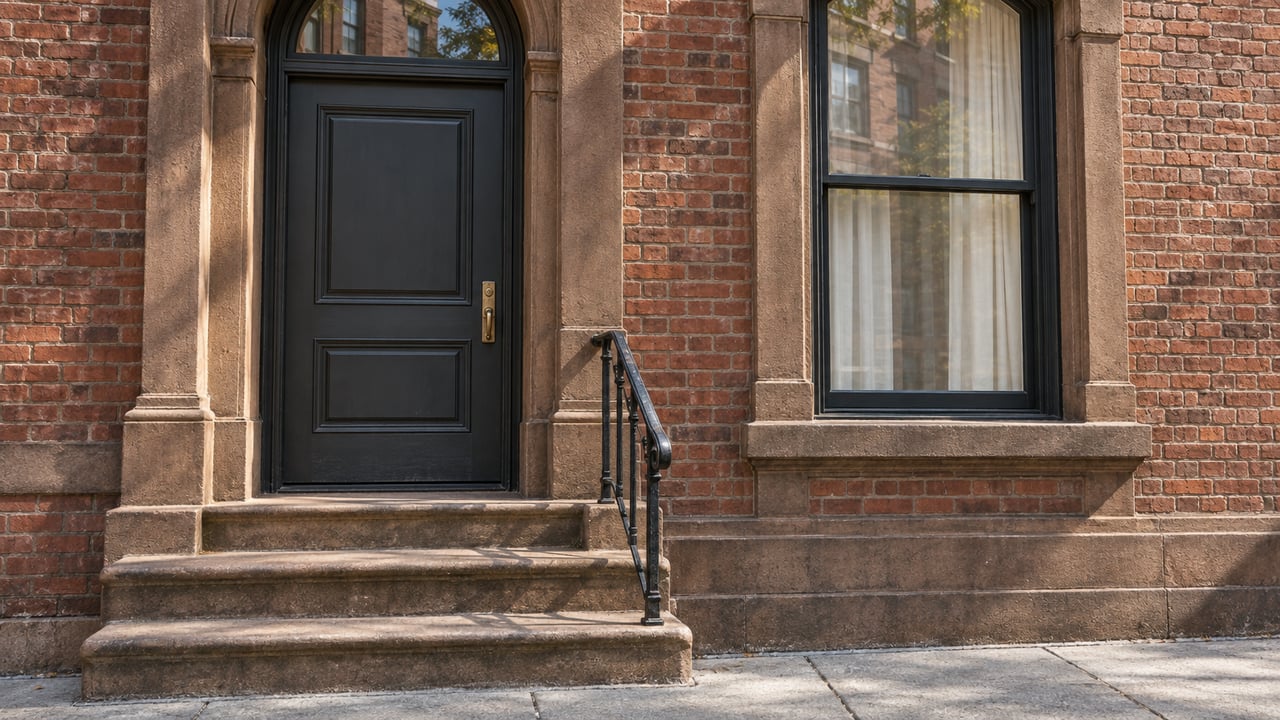
The original Tribeca housing image comes from cast-iron and masonry store-and-loft buildings, especially in the South and West historic districts. These are typically low- to mid-rise properties with commercial space at street level and large upper-floor loft volumes.
If you value ceiling height, scale, and architectural texture, this is often the most compelling part of the neighborhood. Inventory can be limited, though, and layouts may vary significantly from building to building.
Converted mixed-use properties
Converted commercial lofts and mixed-use buildings are common in Tribeca East and North. These properties often blend older architecture with more modern residential use, sometimes with retail or office space at grade.
For some buyers and renters, this category offers the best balance. You may get historic bones and a downtown feel, but with a housing format that has already been adapted for contemporary living.
Newer waterfront homes
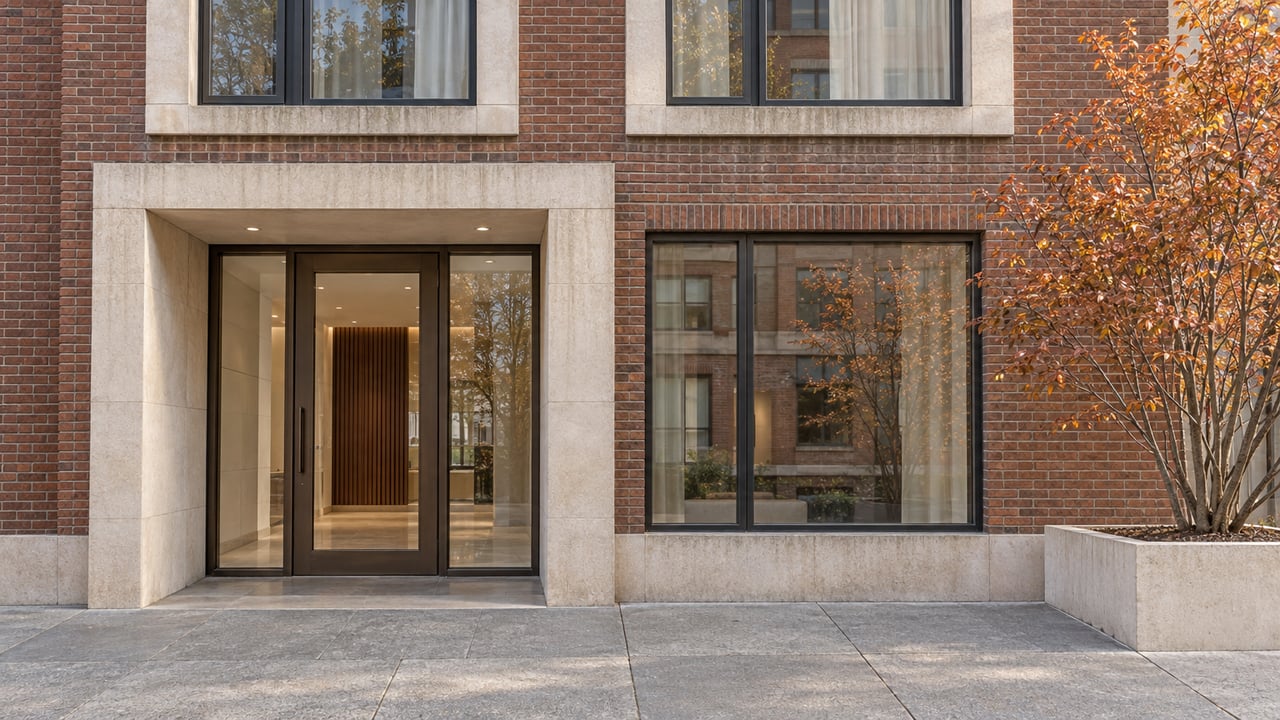
Newer condo and rental product is more likely near the waterfront and on larger former commercial sites. These buildings are often found along the West Street edge and in the northern portion of the neighborhood, where bigger footprints made redevelopment more feasible.
If your wishlist includes newer systems, amenity packages, and direct access to Hudson River Park, this is the area to watch. The tradeoff is that the streets can feel less architecturally continuous than the interior loft corridors.
What Tribeca Costs
Tribeca remains a premium market, and pricing reflects both the neighborhood’s reputation and its relatively limited inventory. Recent data points cluster median sale pricing in the low-to-mid $3 million range, though the number changes depending on the source and the mix of properties sold.
PropertyShark reported an April 2026 median sale price of $3.4 million, while StreetEasy showed a $3.5 million median sale and Redfin placed the March 2026 median at $3.7 million. PropertyShark also reported condo medians at $3.4 million and co-op medians at $5.2 million, which suggests that specific product type can have a big impact on where pricing lands.
For renters, current snapshots also confirm that Tribeca sits at the high end of the Manhattan market. RentCafe reported a May 2026 average rent of $6,506, including average rents of $4,238 for studios, $6,168 for one-bedrooms, and $8,305 for two-bedrooms.
The clearest takeaway is simple: you should expect premium pricing whether you plan to buy or rent. Studios can start in the mid-$4,000s, while larger rental homes often move into the high-$7,000s and well above, and purchase inventory frequently begins in the low-to-mid $3 million range.
What Buyers Should Keep in Mind
Tribeca can be especially appealing if you want a downtown home with strong long-term appeal, but it is important to understand how building type and location affect the buying process. This is not a neighborhood where every listing fits the same template.
PropertyShark’s April 2026 data showed condos accounting for 9 of 11 recorded sales, which supports the view that the resale market is condo-heavy. At the same time, landmarked lofts, co-ops, and occasional townhouses or highly distinct properties still shape the neighborhood’s identity.
If you are considering a home in a designated historic district, preservation rules matter. The Landmarks Preservation Commission states that alterations, reconstruction, demolition, and new construction affecting designated buildings require commission approval, which can make some exterior work or expansion plans more involved than they would be elsewhere.
That does not mean landmarked buildings are harder to own. It means you should go in with a clear understanding of what gives the neighborhood its character and what that may mean for renovation timelines, design flexibility, and long-term maintenance decisions.
What Renters Should Expect
Tribeca’s rental market is expensive, but it offers more variety than many people assume. Depending on the building, you may find everything from compact studios to larger multi-bedroom homes in both converted loft settings and newer developments.
RentCafe’s size data puts average apartments at 523 square feet for studios, 760 square feet for one-bedrooms, and 986 square feet for two-bedrooms. Those figures are useful benchmarks if you are comparing Tribeca to other downtown neighborhoods where pricing may be similar but layout efficiency and building style differ.
For renters, the biggest decision is often less about whether Tribeca is attractive and more about which version of Tribeca fits your routine. Some people prioritize historic character and quieter interior blocks, while others focus on newer buildings, park access, and proximity to the waterfront.
Parks and Outdoor Space
One of Tribeca’s strongest advantages is access to open space. That matters in any Manhattan neighborhood, but it stands out here because the outdoor options are varied and closely tied to daily life.
Hudson River Park’s Tribeca section runs from Chambers Street to Canal Street and includes Pier 25, Pier 26, Tribeca Upland, and Pier 34. Pier 25 includes an 18-hole mini golf course, beach volleyball, a playground with water features, a skatepark, a flexible turf field, a marina, and broad Hudson River views.
Closer to the interior of the neighborhood, Washington Market Park offers additional green space and a tennis court. Bogardus Plaza on Hudson Street between Chambers and Reade has also become a permanent pedestrian plaza with seating, plantings, and room for events.
For many residents, these public spaces are part of what makes Tribeca feel livable rather than simply prestigious. You have access to waterfront recreation, neighborhood park space, and pedestrian-friendly gathering areas without leaving the district.
Dining and Culture
Tribeca has a reputation for being calm residentially, but the dining scene is one of its biggest draws. Eater’s 2025 guide describes it as one of New York’s best dining neighborhoods, and current MICHELIN listings include L’Abeille, Huso, and Chambers.
The neighborhood also has long-standing restaurant institutions, with The Odeon remaining one of the names most closely associated with Tribeca. In practical terms, the dining mix feels destination-driven and established, with less of a chain-retail presence than you might find in more commercial parts of downtown.
On the cultural side, Tribeca’s identity is shaped by a few major anchors. BMCC Tribeca Performing Arts Center, at 199 Chambers Street, presents music, dance, children’s theatre, film, and visual arts, and the Tribeca Festival remains the neighborhood’s highest-profile cultural event, with its 25th edition scheduled for June 3 through June 14, 2026.
That combination gives the neighborhood a recognizable cultural presence without making it feel overprogrammed day to day. You get a sense of creative identity through performance, film, and public art, but the streets still read as relatively calm compared with many other parts of Manhattan.
Transit and Daily Convenience
Tribeca’s transit access is one of its most practical strengths. If you want to live downtown without relying on a car, the neighborhood is well positioned.
Its north and south edges are served by major subway nodes, and the nearby World Trade Center PATH station is elevator-accessible and directly connected to the A, C, E, J, R, W, Z, and 1, 2, 3, 4, 5 subway network. That setup also creates a straightforward connection for people commuting to or from New Jersey.
For daily life, that means Tribeca works well for a range of schedules. Whether you are heading to Midtown, staying downtown, or splitting time between Manhattan and Hoboken or Newark, the transportation network is a meaningful part of the neighborhood’s appeal.
Is Tribeca Right for You?
Tribeca tends to work best if you want a downtown neighborhood that balances architectural character, waterfront access, and convenience. The key is deciding which tradeoff matters most to you.
If you care most about historic texture and classic loft streets, the landmarked core will likely be the strongest fit. If you prefer more openness, newer construction, and direct proximity to Hudson River Park, the waterfront edge and northern blocks may be more compelling.
Either way, Tribeca is not just buying or renting a Manhattan address. It is choosing between several distinct micro-experiences within one of downtown’s most established residential markets.
If you are considering a move in Tribeca and want tailored guidance on the right block, building type, or pricing strategy, The Duck Kirsch Team offers discreet, data-informed advisory for buyers, renters, sellers, and investors across Manhattan.
FAQs
What is the difference between North Tribeca and central Tribeca for buyers and renters?
- North Tribeca generally feels more open and includes more redevelopment-prone and newer product near West Street, while central loft corridors such as Tribeca South tend to offer a quieter, more architecturally consistent historic streetscape.
What housing types are most common in Tribeca, Manhattan?
- The most common housing types include historic store-and-loft buildings, converted mixed-use loft properties, and newer condo or rental buildings near the waterfront and larger former commercial sites.
What should buyers expect to pay for a home in Tribeca?
- Recent market snapshots place Tribeca median sale pricing in the low-to-mid $3 million range, with reported figures between $3.4 million and $3.7 million depending on source and methodology.
What should renters expect to pay in Tribeca?
- Recent rental data showed an average rent of $6,506, with average rents of $4,238 for studios, $6,168 for one-bedrooms, and $8,305 for two-bedrooms.
What parks and outdoor spaces are in Tribeca?
- Tribeca offers strong access to Hudson River Park, including Pier 25, Pier 26, Tribeca Upland, and Pier 34, along with inland public spaces such as Washington Market Park and Bogardus Plaza.
How convenient is transit from Tribeca for Manhattan and New Jersey commutes?
- Tribeca is highly convenient for car-free living thanks to major nearby subway access and the World Trade Center PATH station, which provides a direct New Jersey connection and links into a broad subway network.
Are historic district rules important when buying in Tribeca?
- Yes. In designated buildings and districts, certain exterior alterations, reconstruction, demolition, and new construction require Landmarks Preservation Commission approval, which can affect renovation scope and timing.