Buying a Williamsburg condo as an investment can look straightforward on paper, until you dig into the numbers and the building rules. This is not a value-play market where broad neighborhood hype does the work for you. If you are considering a buy-to-let purchase in Williamsburg, you need a clear view of pricing, rent levels, leasing restrictions, and carrying costs before you commit. Let’s dive in.
Williamsburg Is a Premium Condo Market
Williamsburg sits at the high end of Brooklyn’s condo landscape. In March 2026, PropertyShark reported a median condo sale price of $1.2 million, with a median price per square foot of $1,425 across 54 condo transactions. Realtor.com reported 238 homes for sale with a median list price of $1.675 million.
On the rental side, the numbers also point to a costly market with strong renter participation. Realtor.com reported a median rent of $4,750 in the neighborhood, while RentCafe’s April 2026 update placed average rent at $5,375 and said 86% of households are renter-occupied. These sources use different methods, but together they support the same takeaway: Williamsburg has meaningful rental demand, though high purchase prices can make your margin sensitive to monthly expenses.
Why Rental Demand Holds Up
Williamsburg continues to draw renters because of access, waterfront amenities, and neighborhood convenience. Current MTA maps show L service at Bedford Avenue and Lorimer Street, G service at Metropolitan Avenue, and J, M, and Z service at Marcy Avenue. NYC Ferry’s East River route also stops in both South Williamsburg and North Williamsburg.
The waterfront remains a major part of the neighborhood’s appeal. The city’s Greenpoint-Williamsburg waterfront plan was built around a continuous public shoreline walkway and an interconnected open-space network. For investors, that matters because renter appeal is often tied to how easy a given building makes it to reach transit, open space, and daily amenities.
Building Location Still Matters
Not every Williamsburg condo performs the same way just because it shares the same ZIP code. StreetEasy notes that the waterfront is a major perk and that the neighborhood has strong restaurant and nightlife density, but it also flags L-train dependency as a downside for some addresses. In practice, that means two buildings in Williamsburg can offer very different day-to-day convenience.
For an investor, small location differences can affect both leasing speed and resale appeal. A building near multiple train options or ferry access may attract a broader renter pool than one that relies heavily on a single subway line. That does not guarantee stronger returns, but it is an important part of your underwriting.
Williamsburg Condo Types to Know
Williamsburg condo inventory generally falls into three broad categories:
- Converted industrial lofts
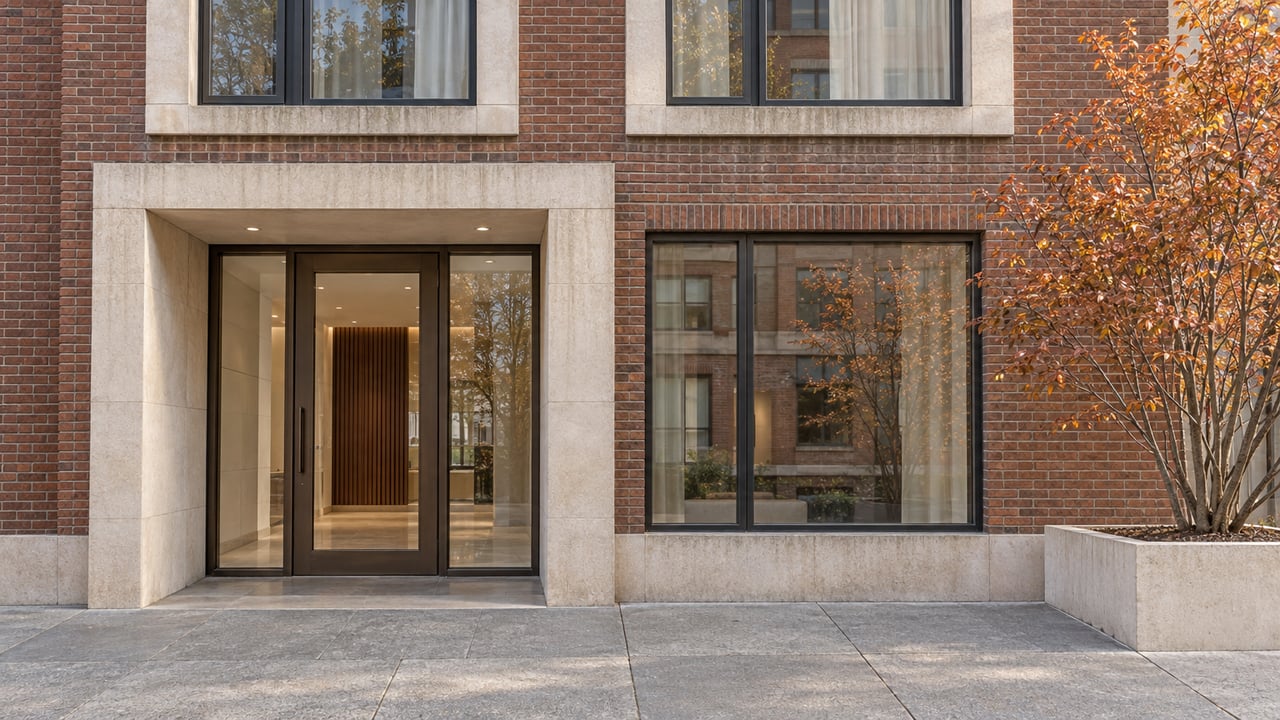
- Contextual mid-rise buildings
- Larger new-construction waterfront towers
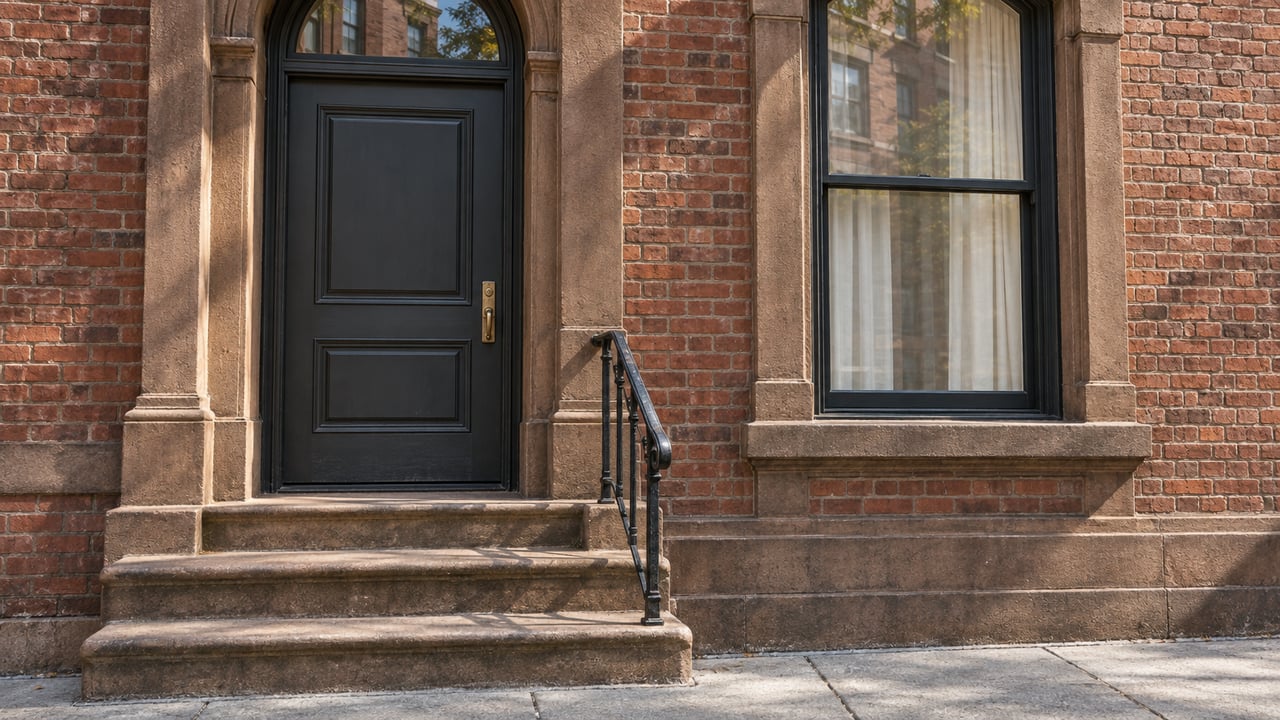
According to NYC Planning, upland Williamsburg includes many five- to six-story apartment buildings and older industrial loft buildings. The city’s rezoning analysis also anticipated continued loft conversions and new residential buildings that fit the surrounding loft scale, while taller buildings were planned closer to the waterfront.
How Product Type Shapes Investment Strategy
Each condo type tends to appeal to a different renter and resale audience. Loft conversions often trade on character, volume, and flexible layouts. Waterfront towers tend to compete on views, amenities, and newer finishes.
Smaller contextual condos often compete more on location and building economics. In many cases, investors look at these properties for the possibility of lower monthly carrying costs than a large amenity-heavy tower, though that depends entirely on the building. The key point is simple: you should underwrite the actual building, not just the neighborhood label.
Leasing Rules Can Make or Break the Deal
One of the biggest mistakes investors make is assuming all condos are equally rental-friendly. In New York, condominium sales and leases are governed by the offering plan and related governing documents. The New York Attorney General’s regulations require the plan to disclose restrictions on sale, leasing, or mortgaging, along with any right of first refusal, occupancy limits, and rules around common charges and assessments.
That means your investment strategy has to start with document review. Before you rely on a projected rental income number, you should understand exactly what the offering plan, declaration, bylaws, and house rules allow. A Williamsburg address alone tells you very little about leasing flexibility.
Watch for Tenant-in-Place and Conversion Issues
If you are looking at an older building, a conversion, or a unit with a tenant already in place, due diligence becomes even more important. Offering-plan rules require disclosure of rent-regulatory status for occupied units, and the owner may still be responsible for common charges, special assessments, and real estate taxes even if rent does not fully cover those costs.
The Attorney General also recommends reviewing board minutes, financial reports, and local building violations. That is especially useful when you want to understand whether large expenses may be tied to facades, roofs, elevators, plumbing, or electrical systems. In a high-price market like Williamsburg, these details can have an outsized effect on your returns.
New Development Has Its Own Risks
A newly built condo may seem simpler, but it comes with a different set of questions. Under New York guidance, the sponsor usually controls the board until more than 50% of the common interest has been sold or five years have passed since the first closing, whichever comes first. If the building is still in sellout or if unsold sponsor units remain, early operating decisions may still reflect sponsor priorities.
That does not mean you should avoid new development. It does mean you should ask how stable the budget is, how many units remain unsold, and whether the building’s policies could change as control shifts. For investors, early-stage condo operations deserve a closer look than many buyers expect.
Do Not Underwrite Short-Term Rentals by Default
Short-term rental assumptions can quickly break an otherwise careful model. NYC says you cannot rent out an entire apartment or home for fewer than 30 days, even if you own or live there. Legal short-term rentals are limited, require the host to be present, allow no more than two paying guests, and depend on registration.
The city also allows certain buildings to be placed on a prohibited-buildings list. For most Williamsburg condo investors, the safer approach is to underwrite a long-term rental strategy unless you have specifically verified a lawful path for something else. If your numbers only work with short stays, that is a warning sign.
Carrying Costs Deserve Extra Attention
In Williamsburg, carrying costs can be just as important as the purchase price. The main categories are usually property taxes, common charges, and any special assessments or building-specific compliance costs. Since this is a premium market, even a modest change in monthly expenses can materially affect your projected return.
NYC says class 2 properties, including condominiums, are taxed at 12.439% for tax year 2026. The Department of Finance values class 2 properties as income-producing based on income and expenses, even though condos are not actually income-producing properties. For investors, that makes it especially important to confirm the actual tax treatment and current bill for the unit you are considering.
Tax Abatement May Not Apply
One of the easiest underwriting mistakes is assuming a condo tax abatement will reduce your costs. The city’s co-op and condo tax abatement is primarily an owner-occupant benefit, not an automatic investor benefit. The current Department of Finance application states that the condo must be the owner’s primary residence, units owned by an LLC are not eligible, and an owner cannot own more than three residential units in one development with at least one primary residence.
If you are buying strictly as an investment, the safest approach is to exclude the abatement unless the ownership and occupancy requirements are clearly met. In other words, do not treat it as a bonus until you know you qualify.
Assessments and Reserves Matter
Common charges are only part of the story. The Attorney General’s regulations require condo plans to explain how common charges and assessments are established, how reserves may be accumulated, and how unpaid charges can become a lien on the unit. That framework is why serious investors ask not only what the charges are today, but also how stable they are likely to be.
You should review reserve levels, assessment history, board minutes, and financial statements. If major capital work is approaching, the monthly cost of ownership can change quickly. In a neighborhood where entry prices are already high, a poorly timed assessment can reshape the deal.
Local Law 97 Could Affect Larger Buildings
If you are considering a larger Williamsburg condo, Local Law 97 may be relevant. The Department of Buildings says most buildings over 25,000 square feet are covered, and certain condominium groups over 50,000 square feet under the same board of managers may also be covered. If the building falls within the law, emissions-related compliance work could affect reserves, budgets, common charges, or future assessments.
This is one more reason to ask building-specific questions rather than relying on headline neighborhood demand. A strong rental market does not protect you from building-level costs.
Questions to Ask Before You Buy
Before you move forward on a Williamsburg condo investment, it helps to keep a practical checklist:
- What do the offering plan, declaration, bylaws, and house rules say about leasing?
- Are there any notice requirements, approval rights, or rights of first refusal?
- What are the current common charges, and what do they include?
- How strong is the reserve fund?
- Have there been any recent or pending special assessments?
- Is the building subject to Local Law 97?
- Are there any nonpurchasing tenants, rent-regulated units, or occupancy issues that affect cash flow?
- Is the sponsor still controlling the board or selling unsold inventory?
- Is any tax abatement actually available for your ownership structure and use?
The Bottom Line for Investors
Williamsburg condos can work well for buy-to-let investors, but this market usually rewards discipline more than optimism. The neighborhood has real demand drivers, including transit access, ferry service, waterfront amenities, and a large renter base. At the same time, high acquisition costs and building-level expenses leave less room for weak underwriting.
If you are evaluating Williamsburg, focus on four things first: product type, leasing flexibility, tax treatment, and cost stability. A well-chosen unit in the right building can make sense, but the best opportunities usually come from careful document review and precise building analysis, not broad assumptions about the neighborhood.
If you want a discreet, data-informed view of whether a specific Williamsburg condo fits your investment goals, The Duck Kirsch Team can help you evaluate the building, the numbers, and the strategy with the level of care complex New York purchases require.
FAQs
What should investors know about Williamsburg condo prices?
- Williamsburg is a premium condo market. In March 2026, PropertyShark reported a median condo sale price of $1.2 million and a median price per square foot of $1,425, which means your returns can be sensitive to carrying costs.
What should investors know about Williamsburg rental demand?
- Rental demand is supported by strong renter occupancy, transit access, ferry stops, and waterfront amenities. Reported neighborhood rent figures ranged from a $4,750 median rent to a $5,375 average rent, depending on the source and methodology.
What should investors know about leasing rules in Williamsburg condos?
- Leasing rules are building-specific, so you need to review the offering plan, declaration, bylaws, and house rules. New York regulations require key restrictions on leasing and occupancy to be disclosed, so you should never assume a condo is fully rental-friendly.
What should investors know about short-term rentals in Williamsburg condos?
- NYC generally does not allow you to rent an entire apartment or home for fewer than 30 days. Most investors should model a long-term rental strategy unless a lawful short-term path has been specifically verified.
What should investors know about Williamsburg condo carrying costs?
- Your main carrying costs are usually property taxes, common charges, and assessments. Investors should also review reserve funds, building financials, and any signs of future capital work that could increase ownership costs.
What should investors know about tax abatements for Williamsburg condos?
- The city’s co-op and condo tax abatement is mainly for owner-occupants and is not an automatic investor benefit. If you are buying strictly as an investment, do not assume the abatement applies unless the actual requirements are met.
What should investors know about Local Law 97 in Williamsburg condo buildings?
- Larger condo buildings may be subject to Local Law 97, which can create emissions-compliance costs that affect reserves, common charges, or assessments. This is especially important to review in larger waterfront or amenity-heavy buildings.