Choosing between the Upper East Side and Upper West Side is not just a map choice. It changes your daily rhythm, the buildings you see when you step outside, and the rules that shape how you buy, finance, and resell. If you want a clear, practical way to decide, you are in the right place. In the next few minutes, you will compare architecture, parks and culture, transit, ownership types, and resale dynamics so you can match a side of the park to your routine and goals. Let’s dive in.
Quick neighborhood feel
Upper East Side snapshot
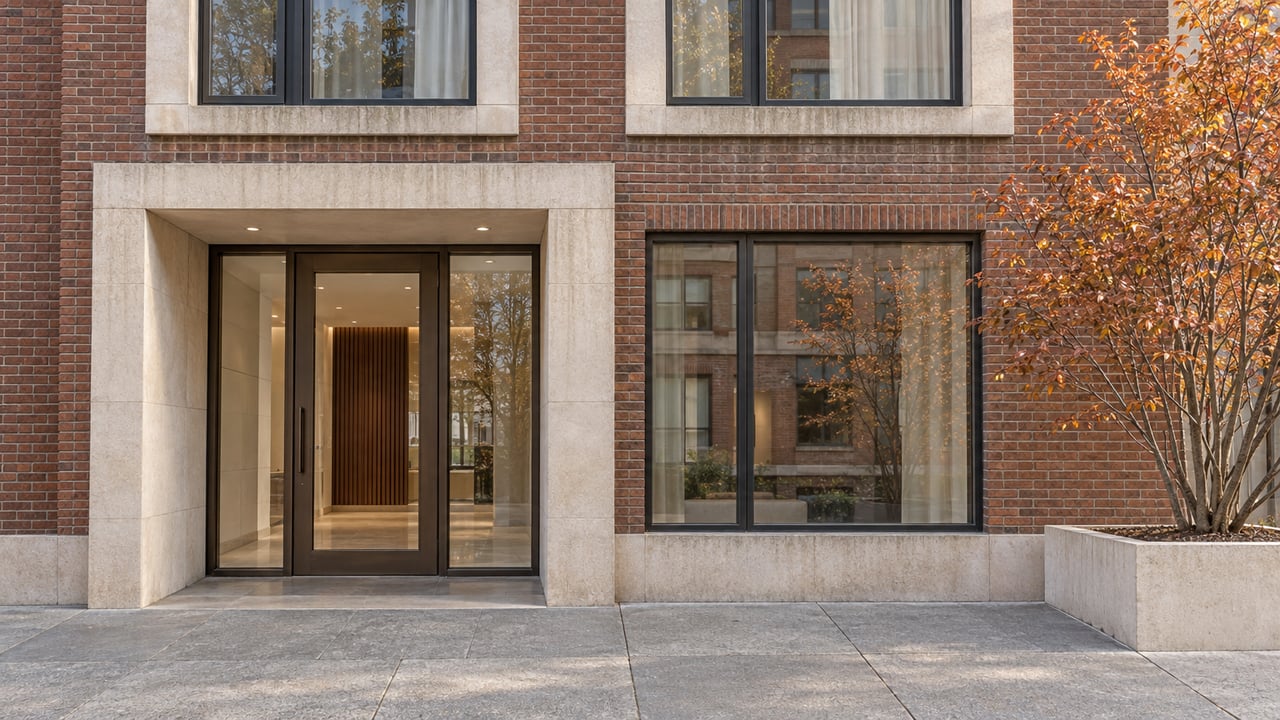
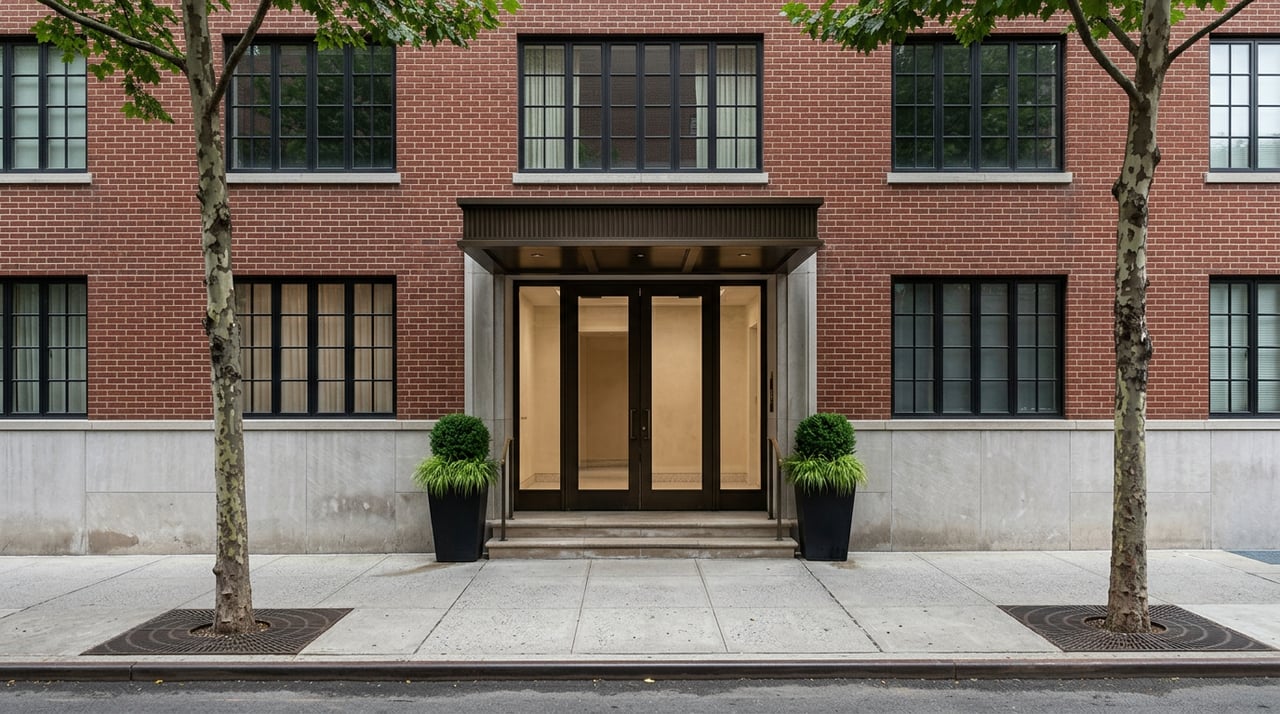
On the Upper East Side, you find long blocks of Beaux‑Arts and neo‑Georgian townhouses and classic limestone “mansion” buildings along Fifth and Park Avenues. Many full‑service prewar co‑ops line the Madison and Park corridors, with newer condos and high rises closer to the East River or on select development sites. Multiple historic districts shape how exteriors evolve over time, and in landmarked areas exterior changes often require review by the Landmarks Preservation Commission. You can get a high‑level overview on the StreetEasy Upper East Side page for character and building stock context.
- Reference: StreetEasy Upper East Side neighborhood overview (for character and architecture): StreetEasy UES
- Landmark designation contexts and review process: NYC LPC guidance
Upper West Side snapshot
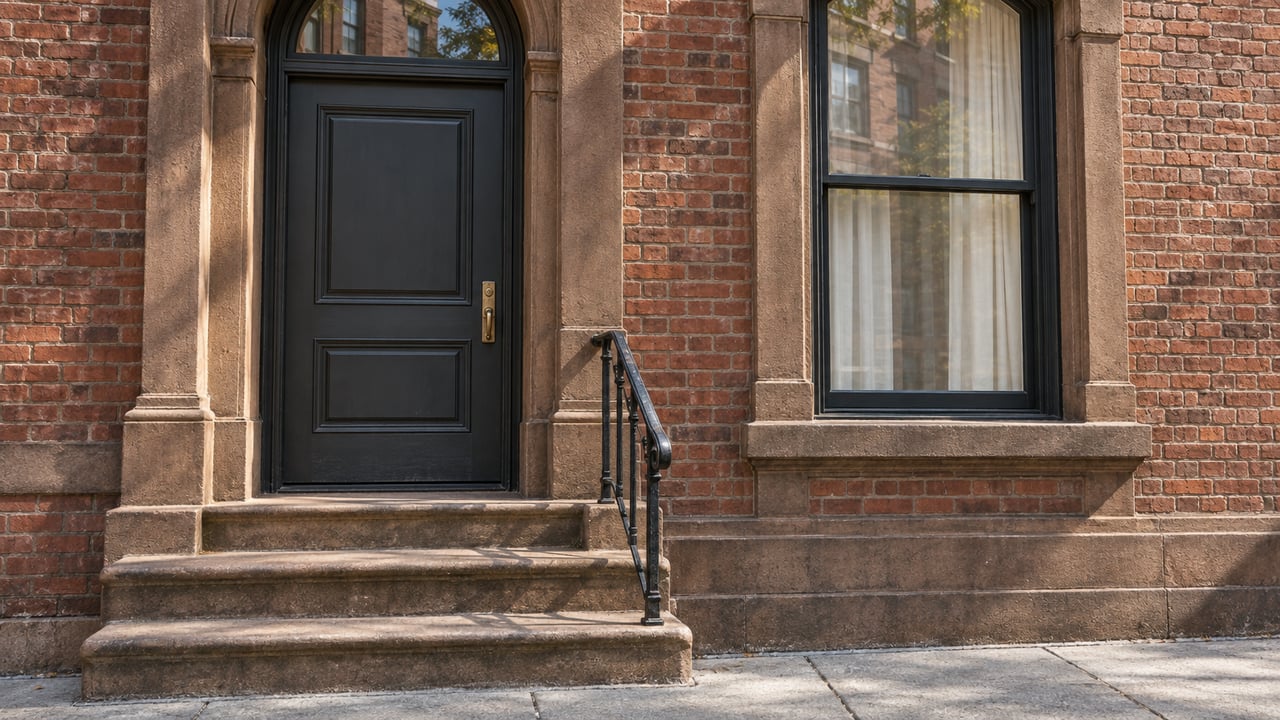
The Upper West Side is known for tree‑lined side streets with brownstones and rowhouses, large prewar apartment houses along Broadway, West End, and Amsterdam, and the twin‑tower skyline along Central Park West. Riverside Drive and the Lincoln Square area add variety, from classical co‑ops to boutique and tower condos near Lincoln Center. Like the UES, many blocks fall within historic districts that guide future alterations.
- Reference: StreetEasy Upper West Side neighborhood overview: StreetEasy UWS
Buildings and ownership: how life changes
Many Manhattan buyers choose between a prewar co‑op and a newer condo. That single decision impacts everything from room sizes and ceiling heights to closing timelines and subletting flexibility.
- Prewar co‑ops often deliver larger rooms, tall ceilings, storage, and classic layouts, sometimes at a lower price per square foot. They also come with a board package and interview, governance rules, and potential flip taxes. Expect longer and less predictable closing timing. For a smart overview of mechanics and tradeoffs, see this co‑op vs. condo buyer guide.
- Condos usually cost more per square foot and include mortgage recording tax and title insurance at closing, but they offer faster, more predictable approvals, and typically more flexible subletting. For closing‑timeline ranges, a practical benchmark is about 30 to 60 days for a straightforward condo and 60 to 90 plus days for co‑ops, depending on financing and board schedules. See transaction timing detail here: condo vs. co‑op differences.
Ownership mix varies by block and building. The UES and UWS both have many prewar co‑ops, with pockets of newer, amenity‑rich condos more commonly clustered near Lincoln Square on the UWS and near the East River or targeted sites on the UES. New condo supply is constrained by preservation and available sites, which can support pricing for move‑in‑ready product.
Parks and culture at your door
Central Park access
Both sides of the park are, in a word, extraordinary. Central Park runs from 59th to 110th Street between Fifth Avenue and Central Park West, which makes it part of everyday life for most addresses in either neighborhood. If you live on the UES, you enter the park’s eastern edge along Museum Mile. On the UWS, you step into the western edge along Central Park West. For maps and park features, the Central Park Conservancy has clear resources: Central Park overview.
Upper East Side culture
If you value museums and boutique retail, the UES puts you near The Metropolitan Museum of Art, the Guggenheim, Cooper Hewitt, and Madison Avenue shopping corridors. These anchors create a quieter daytime energy and a deep bench of gallery and museum options. Explore the Met here: The Metropolitan Museum of Art.
Upper West Side culture
If performance and neighborhood retail are your priorities, the UWS centers you near the American Museum of Natural History and Lincoln Center, with strong shopping and dining along Broadway, Columbus, and Amsterdam. Riverside Park provides a waterfront greenway that feels distinct from the East Side. Learn more about AMNH here: American Museum of Natural History.
Transit and your commute
Your work address should guide which subway trunk you prefer. The UES is served by the Lexington Avenue line (4/5/6) and the Second Avenue Q line, which improved access up and down the East Side. The UWS is served by Broadway/Seventh (1/2/3) and Central Park West/8th Avenue (B/C). Crosstown travel relies on the M72, M79, and M86 buses and park crossings. To visualize routes, use the MTA’s live subway map resources noted in this MTA map announcement.
Practical tip: Map your daily origin and destination, then compare whether a short walk to a busier trunk or a direct line matters more. If you plan frequent crosstown trips, factor in the bus frequency and your preferred park crossing.
Pricing and resale: what to expect
Neighborhood medians shift by provider and sample window. As a snapshot, Realtor.com reported a median home price of about $1,712,500 for the Upper East Side with data through December 2025. Always compare by product type, since condos and co‑ops trade at different levels.
Manhattan‑wide, broker market summaries show a clear product premium for condos over co‑ops. As a reference point from late 2025 reporting, borough‑level medians were approximately $1.65 million for condos and $870,000 for co‑ops. You can review a data‑driven analysis of these trends here: Manhattan condo market analysis.
Inventory and new supply also matter. Limited new‑development pipelines, combined with historic‑district constraints, can keep modern, amenity‑rich condo inventory tight, which often supports pricing. Recent neighborhood coverage notes the Upper West Side’s new‑condo pipeline has thinned, a dynamic that can affect long‑term inventory and pricing power for move‑in‑ready units. See a local overview here: Upper West Side condo pipeline update.
Bottom line: if you need faster resale and more flexible rental options, condos tend to shine. If you prioritize value per square foot for a long‑term home, co‑ops often deliver more space and classic architecture for the money. On either side of the park, your best outcome comes from aligning product type with your timeline and exit plan.
A simple decision checklist
Use this quick framework to clarify which side fits you best. Assign each item a 1 to 5 importance score, then compare UES and UWS against your priorities.
- Commute fit. Which subway trunk gets you to work fastest most days? How often will you go crosstown?
- Building type. Do you want a classic prewar layout with character or a modern condo with amenities and open plan?
- Resale flexibility. Is the ability to rent or resell quickly important? If yes, favor condos.
- Parks and culture. Do you prefer Museum Mile’s institutions and Madison Avenue boutiques, or Lincoln Center plus Broadway and Riverside Park?
- Renovation and rules. Will you need to change windows or a façade, or plan a major interior update? In historic districts, exterior work generally involves LPC review and approvals.
For a side‑by‑side perspective:
- Building vs. Block. Prewar co‑op vs modern condo layout and amenities. See architectural context on StreetEasy UES and StreetEasy UWS.
- Liquidity vs. Value. Condos typically offer faster resale and rental options; co‑ops often provide more space at a lower entry price per square foot. For governance and fee differences, review this condo and co‑op guide.
- Park and Culture. UES for museums and Madison Avenue shopping, UWS for Lincoln Center and Riverside Park. Explore the Met and AMNH to sense each neighborhood’s anchors.
On‑site questions to ask
When touring, ask the listing agent or building management the following:
- Ownership type. Is it a co‑op or condo? If co‑op, request the board application checklist, typical approval timeline, sublet policy, and any flip tax. If condo, ask about Right of First Refusal procedures and what common charges include. See the co‑op vs. condo guide for definitions.
- Building finances. Request recent board minutes, reserve studies, and planned capital projects. Carrying costs and reserves affect long‑term value and resale.
- Rental profile. What share of units are owner‑occupied versus rented? In co‑ops, confirm primary residence rules.
- Landmark status. If in a historic district, confirm whether exterior work needs LPC review and what that timeline looks like. For context, see NYC LPC guidance.
Sample buyer scenarios
- If you want museum access and a classic prewar home, the UES offers many full‑service co‑ops near Fifth, Madison, and Park that fit a long‑term, buy‑and‑hold plan. You could target a co‑op for value per square foot and accept a longer approval timeline.
- If you want quick access to Midtown and Lincoln Center with easier resale, a UWS condo near Lincoln Square may align with your routine. You pay more up front, including mortgage recording tax and title insurance, in exchange for speed and flexibility.
- If your office is on the East Side and you need a direct line, the 4/5/6 or Q on the UES can simplify mornings. If your office is on the West Side or near Columbus Circle, the 1/2/3 or B/C on the UWS may save time.
How to choose with confidence
Start with your commute and building preference. Then weigh resale flexibility and cultural access. When you have a short list, test the route at your commute time, walk the park entrances you would use, and confirm building rules and finances before you bid. That mix of on‑the‑ground testing and document review helps you commit with clarity.
If you want a guided, data‑backed process that respects your time, we are here to help. Schedule a Private Consultation with Reynolds Duck to compare specific buildings, understand board requirements, and tailor your search on either side of the park.
FAQs
What is the main lifestyle difference between the UES and UWS?
- The UES centers on Museum Mile and boutique retail along Madison Avenue, while the UWS leans into Lincoln Center, AMNH, Broadway retail corridors, and Riverside Park.
How do co‑op and condo timelines compare in Manhattan?
- A straightforward condo can often close in about 30 to 60 days, while a financed co‑op can take roughly 60 to 90 plus days due to board review and interview steps.
Which subway lines serve each side of Central Park?
- The UES is served by the Lexington Avenue 4/5/6 and the Q line on Second Avenue; the UWS is served by the 1/2/3 on Broadway and the B/C on Central Park West.
How should I weigh crosstown travel between the UES and UWS?
- Factor in the M72, M79, and M86 crosstown buses and your preferred park crossing, then time your route during your normal commute window.
Where can I verify park boundaries and entrances near my address?
- The Central Park Conservancy offers detailed maps and resources that show entrances, loops, and features so you can plan your daily routes.